Logo on colored background

SEOL-1

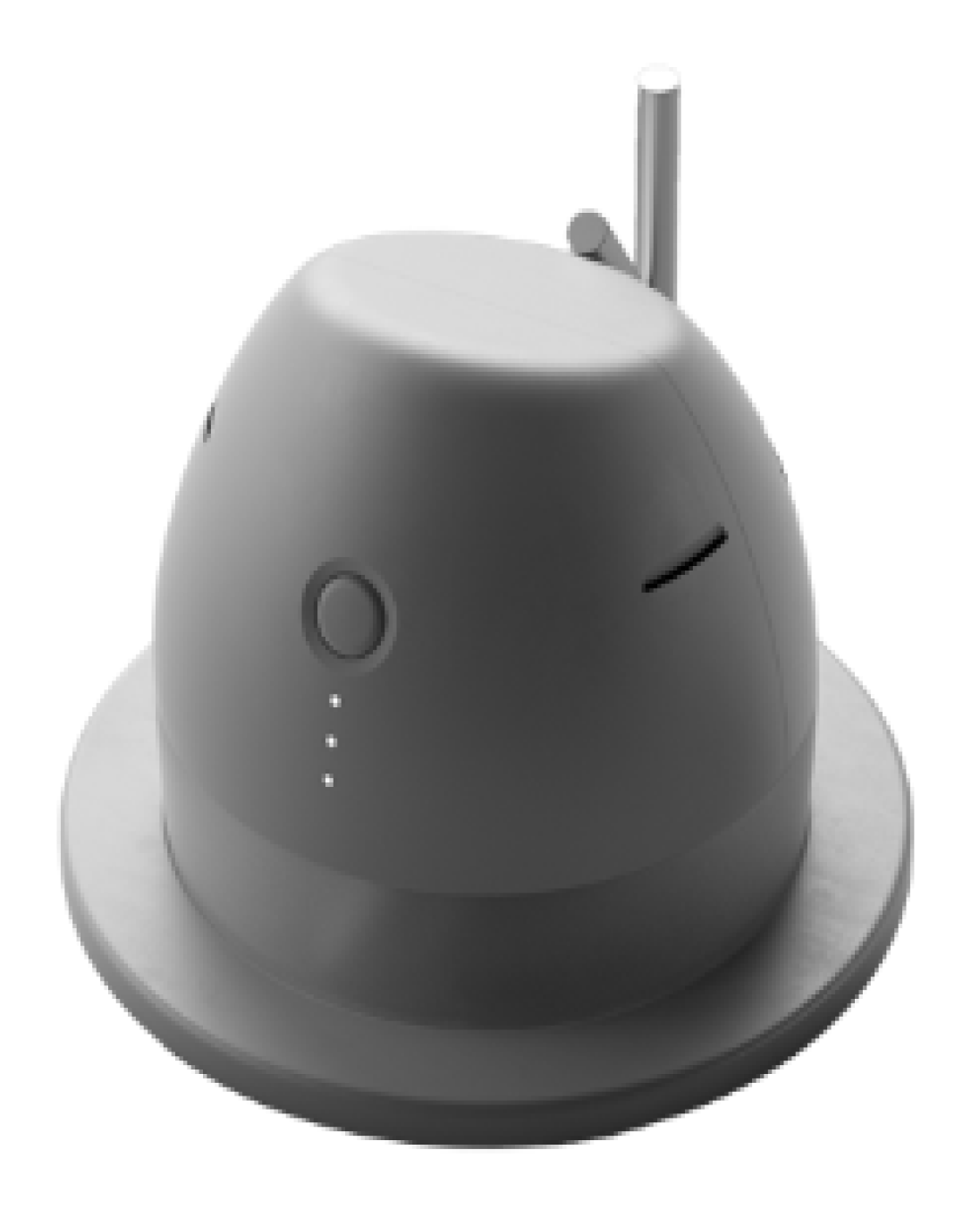
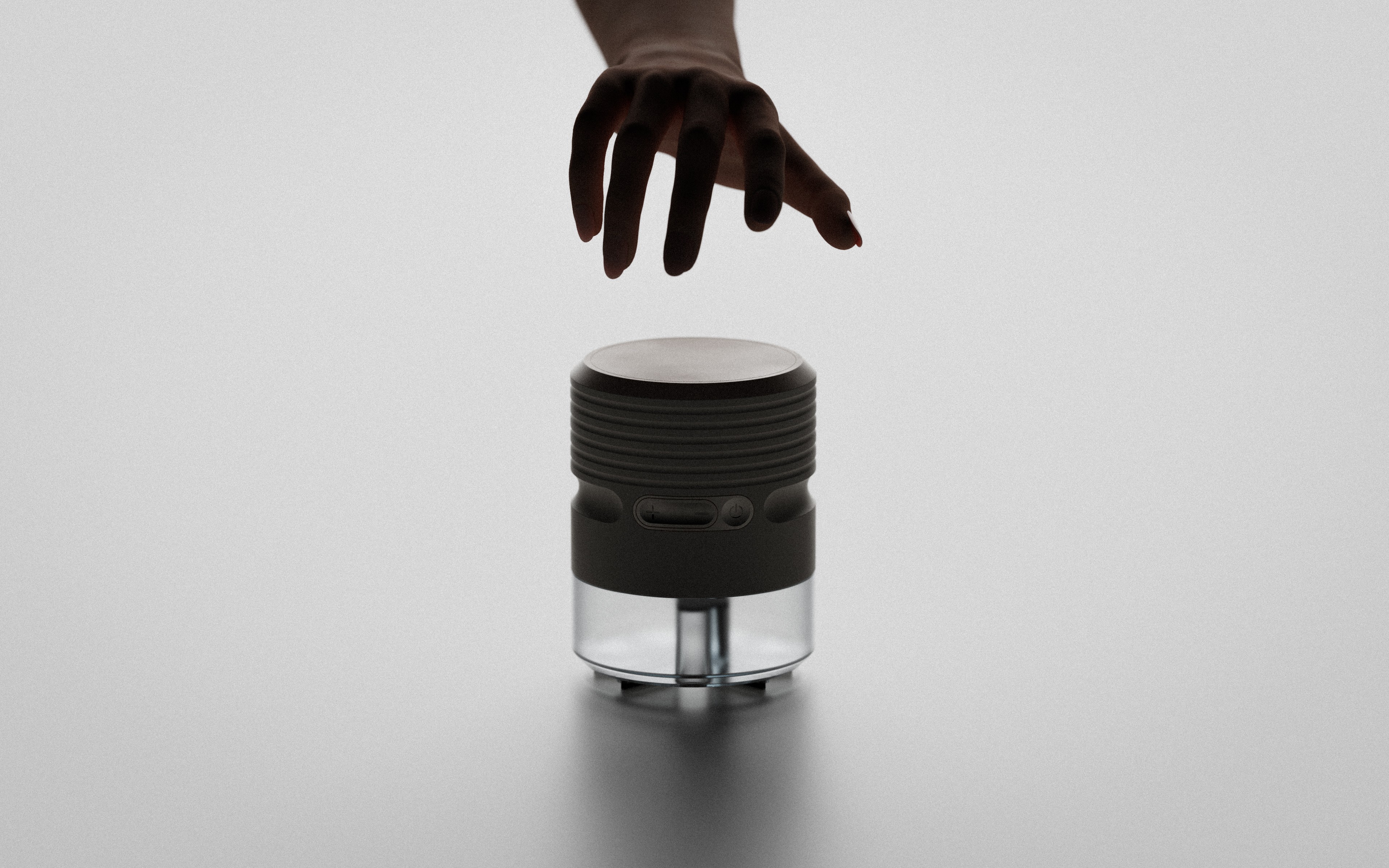
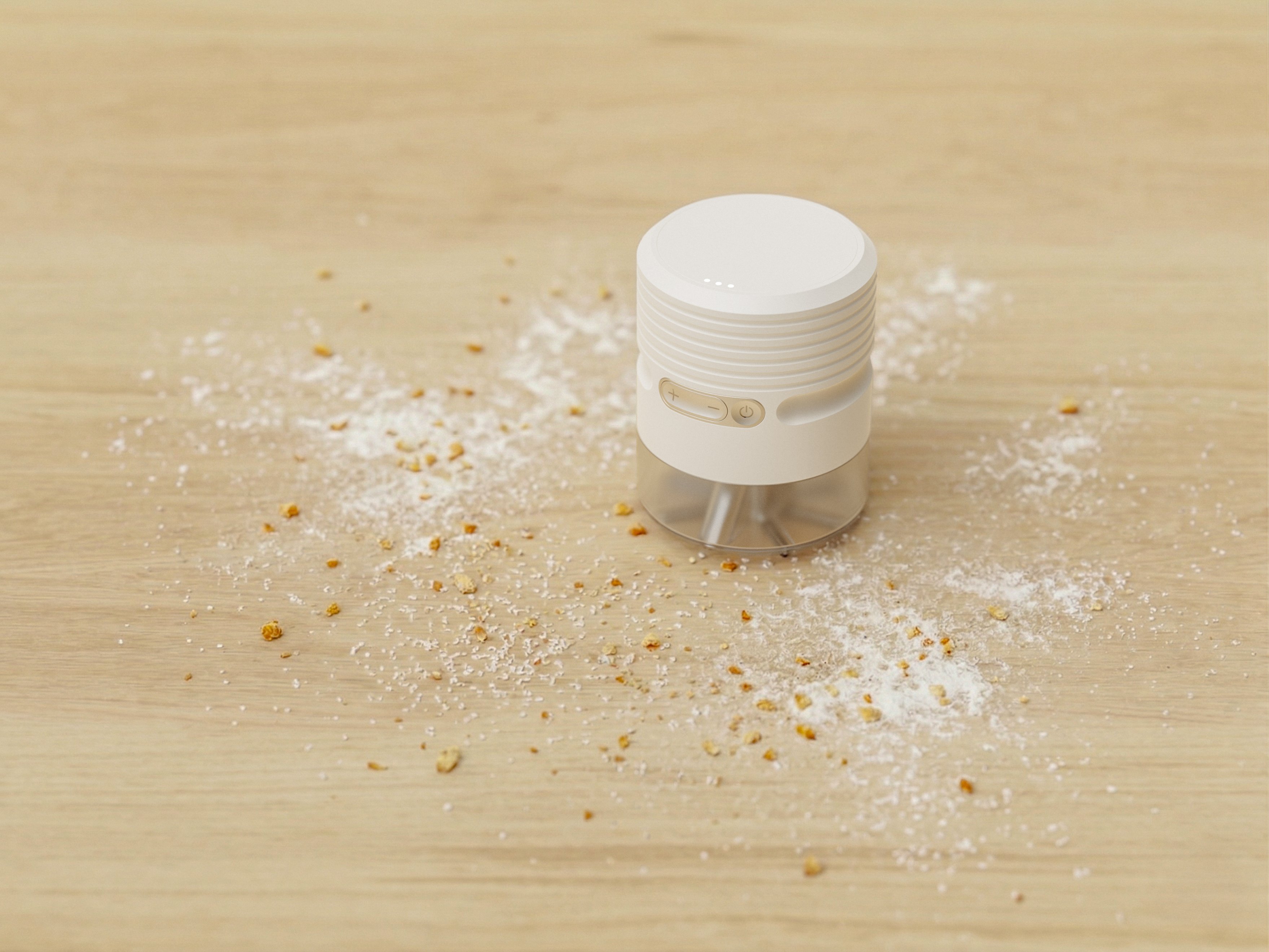
A kitchen vacuum cleaner that quickly removes fine powders and crumbs from countertops, featuring a wide cleaning head, an easy-grip form, an intuitive button layout, and a design that blends seamlessly into the kitchen environment.
why SEOL-1?

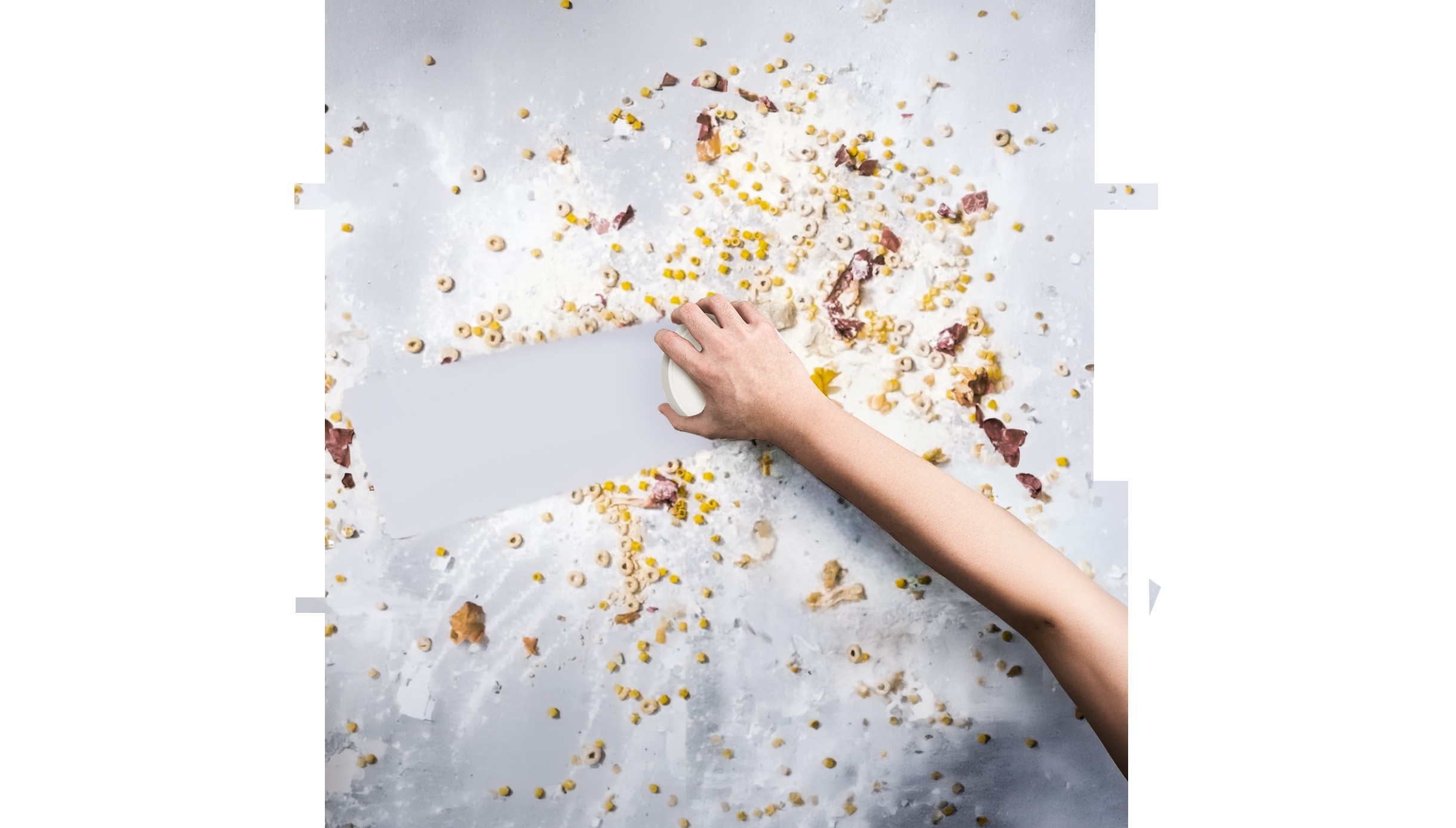
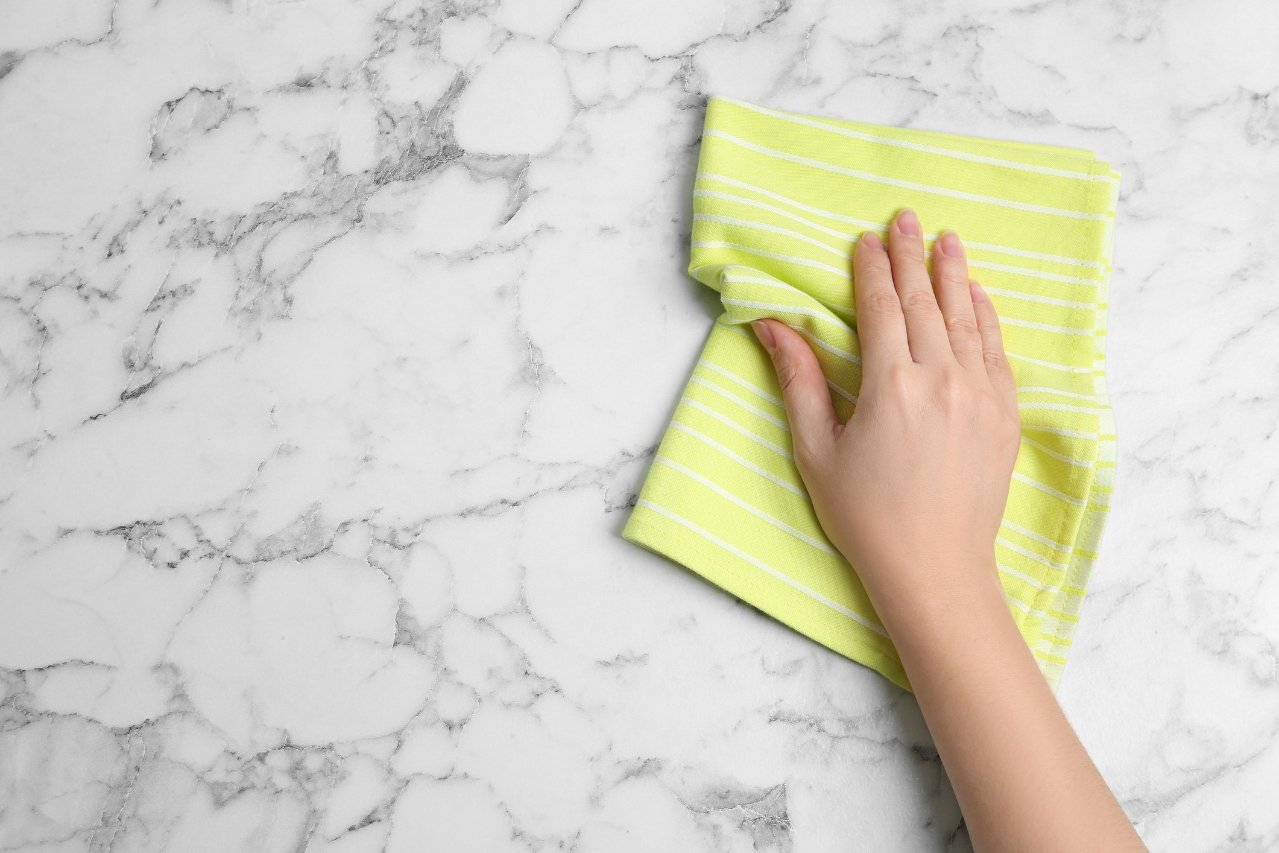
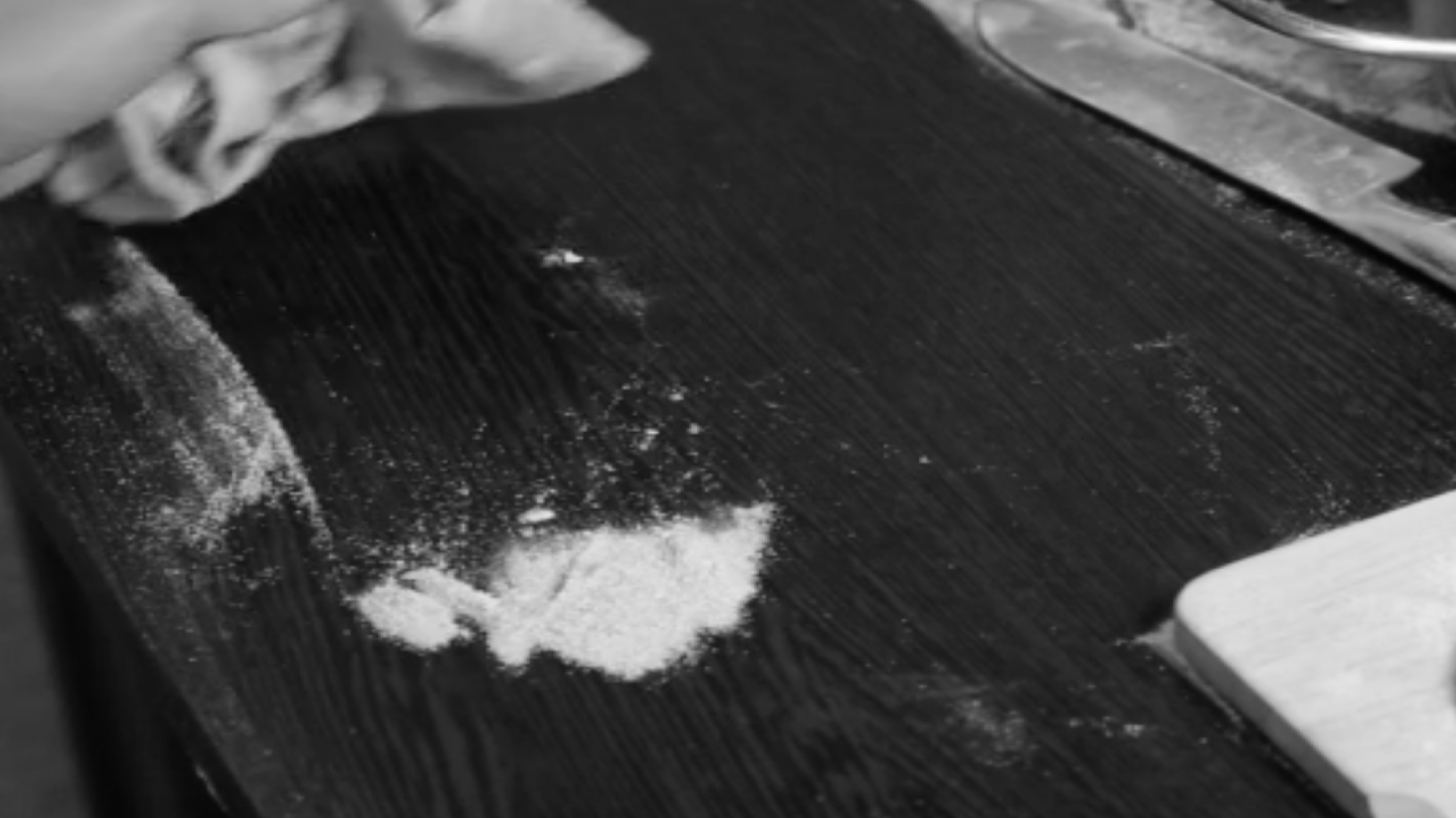
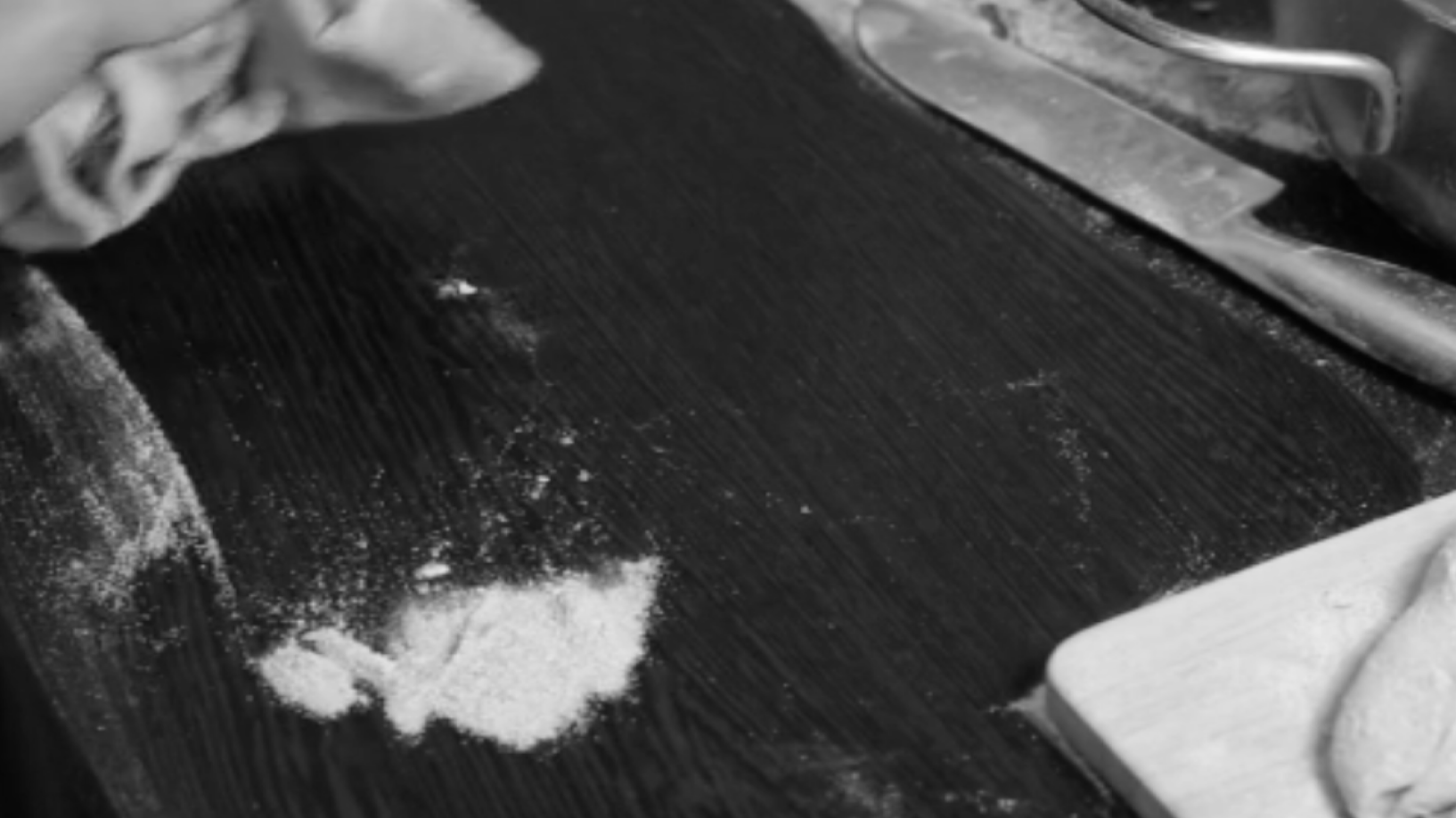
how do you clean powders and crumbs on a countertop?

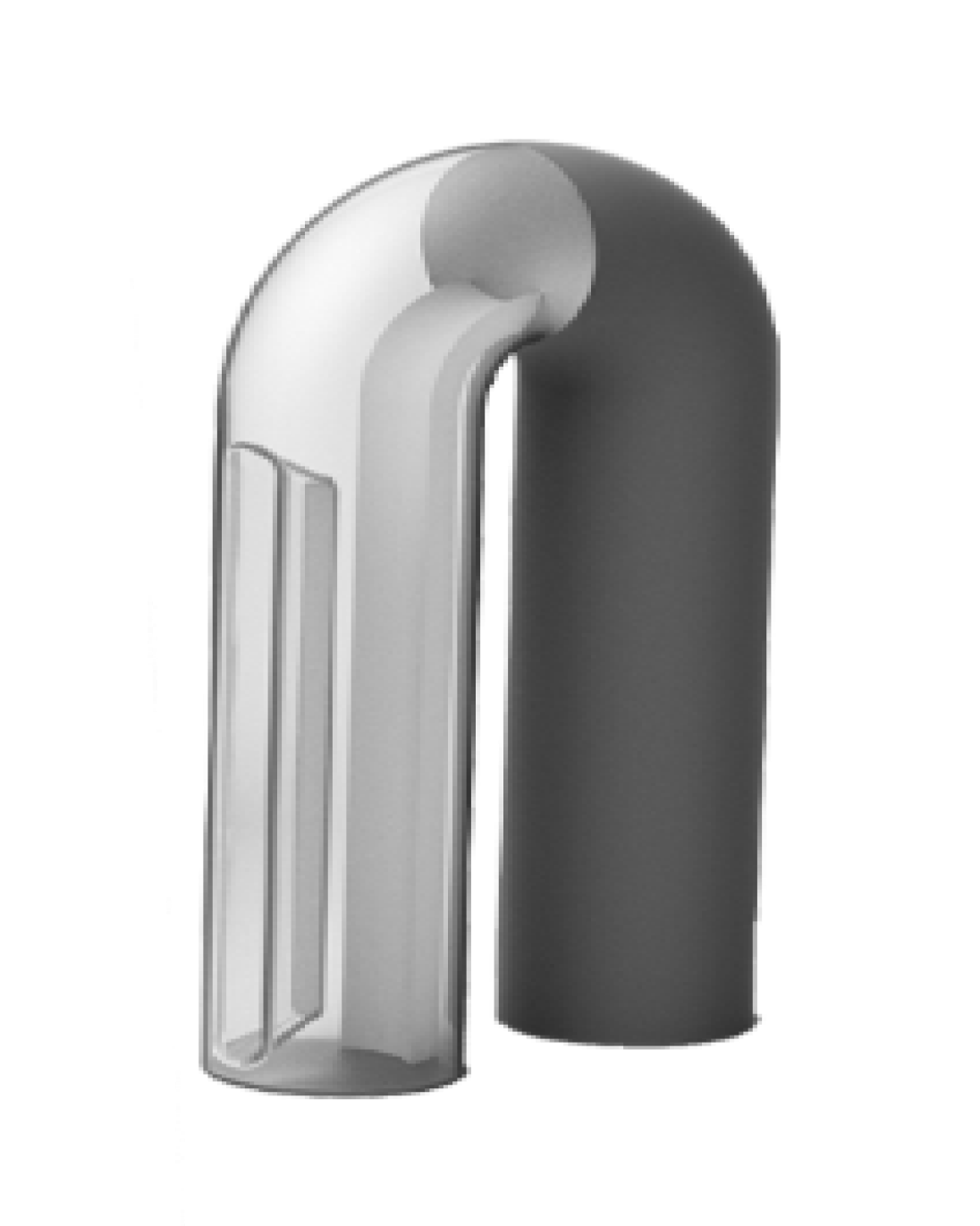
a quick 10-second rinse uses 0.37 gallons, adding up to 1,350 gallons a year.
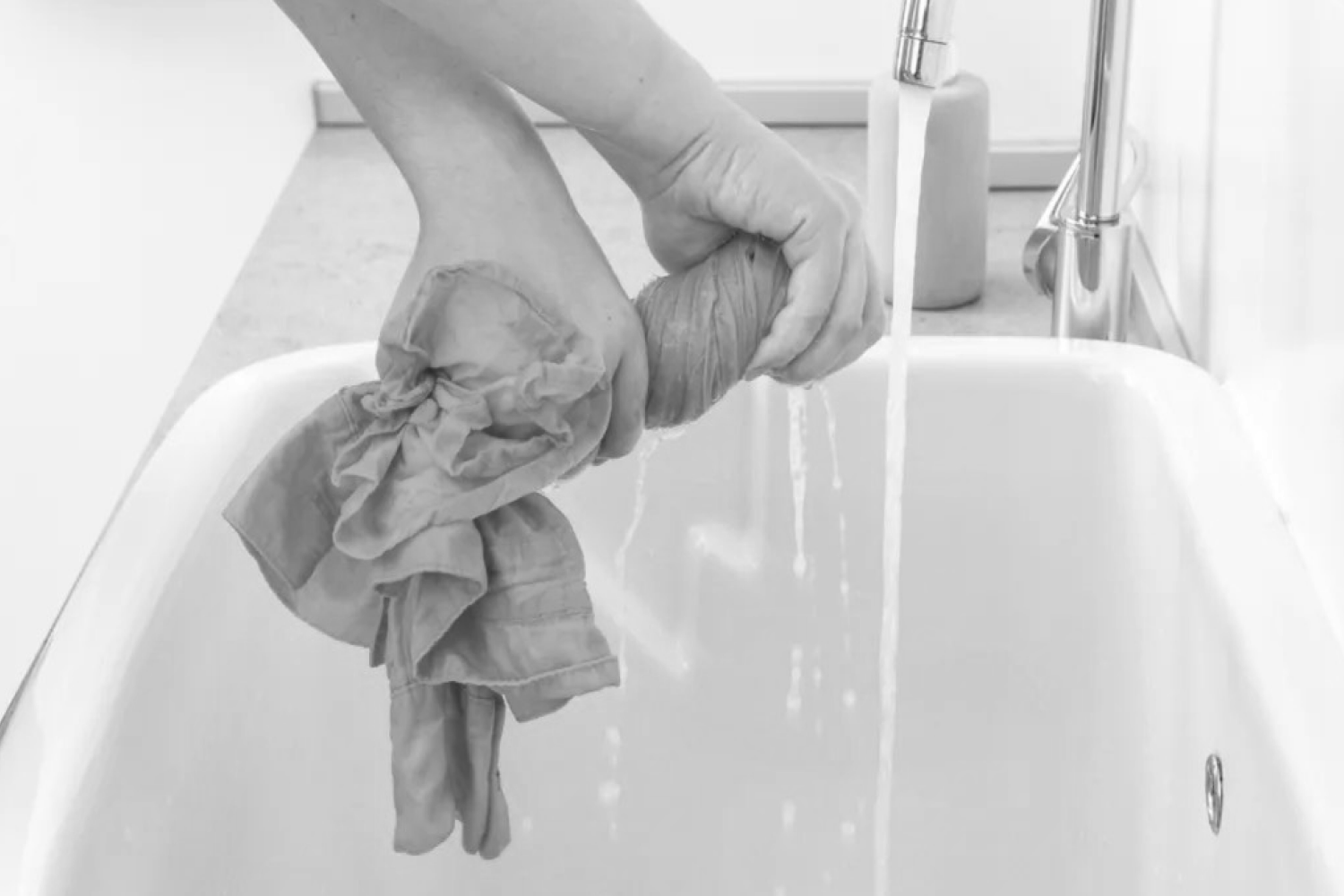
often leads to extra water use.

fine powders aren’t easily removed by wiping alone.
01 wide area

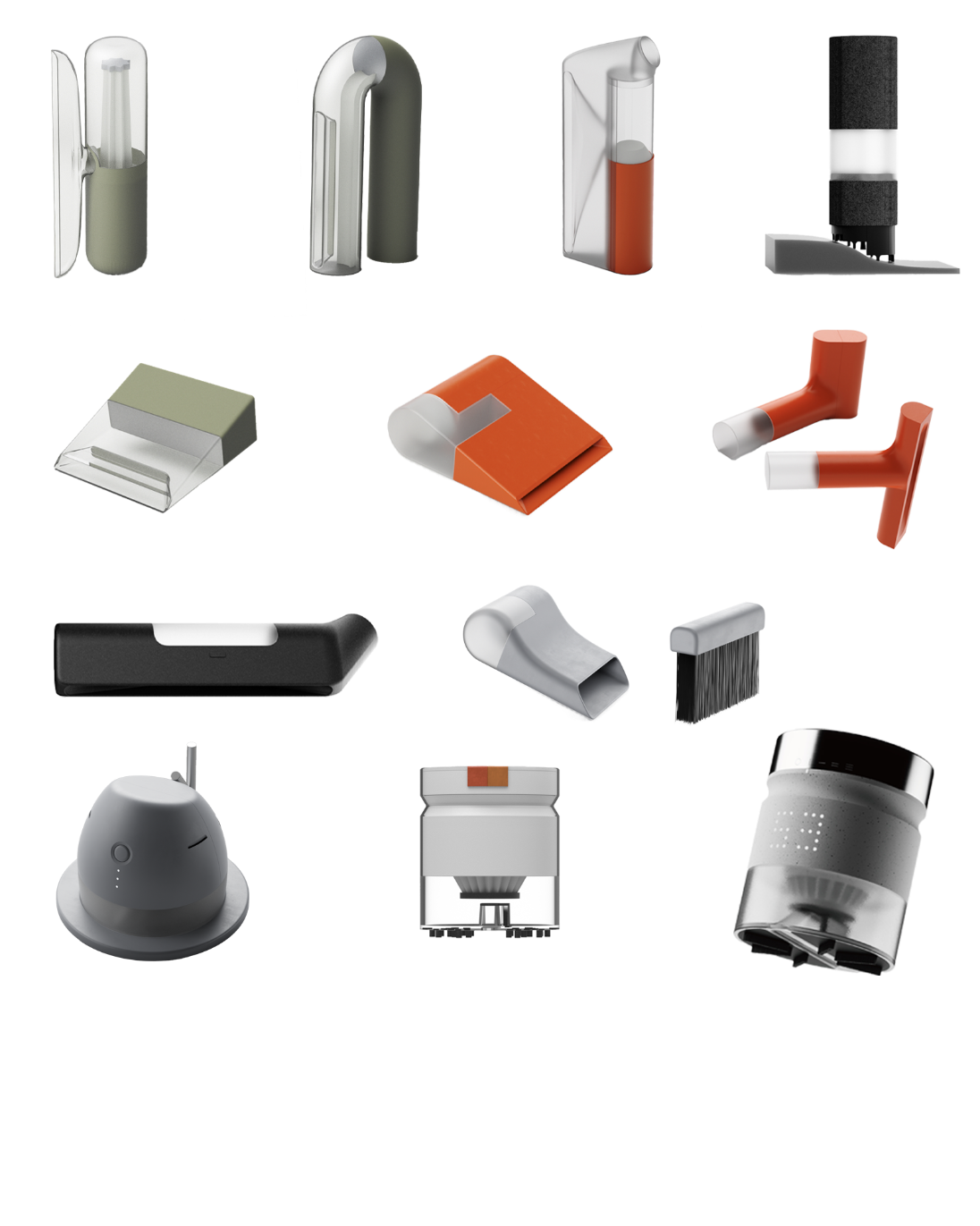
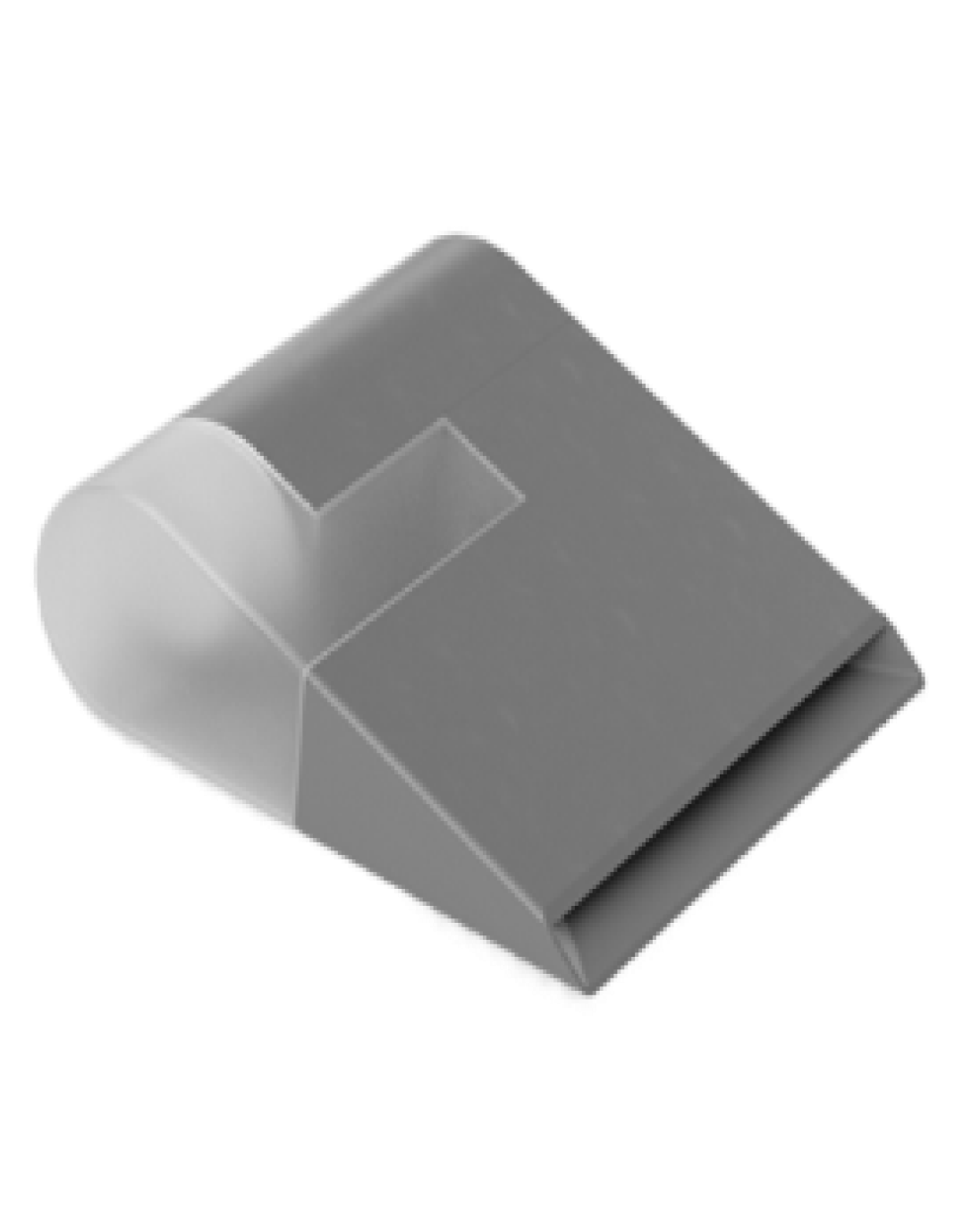
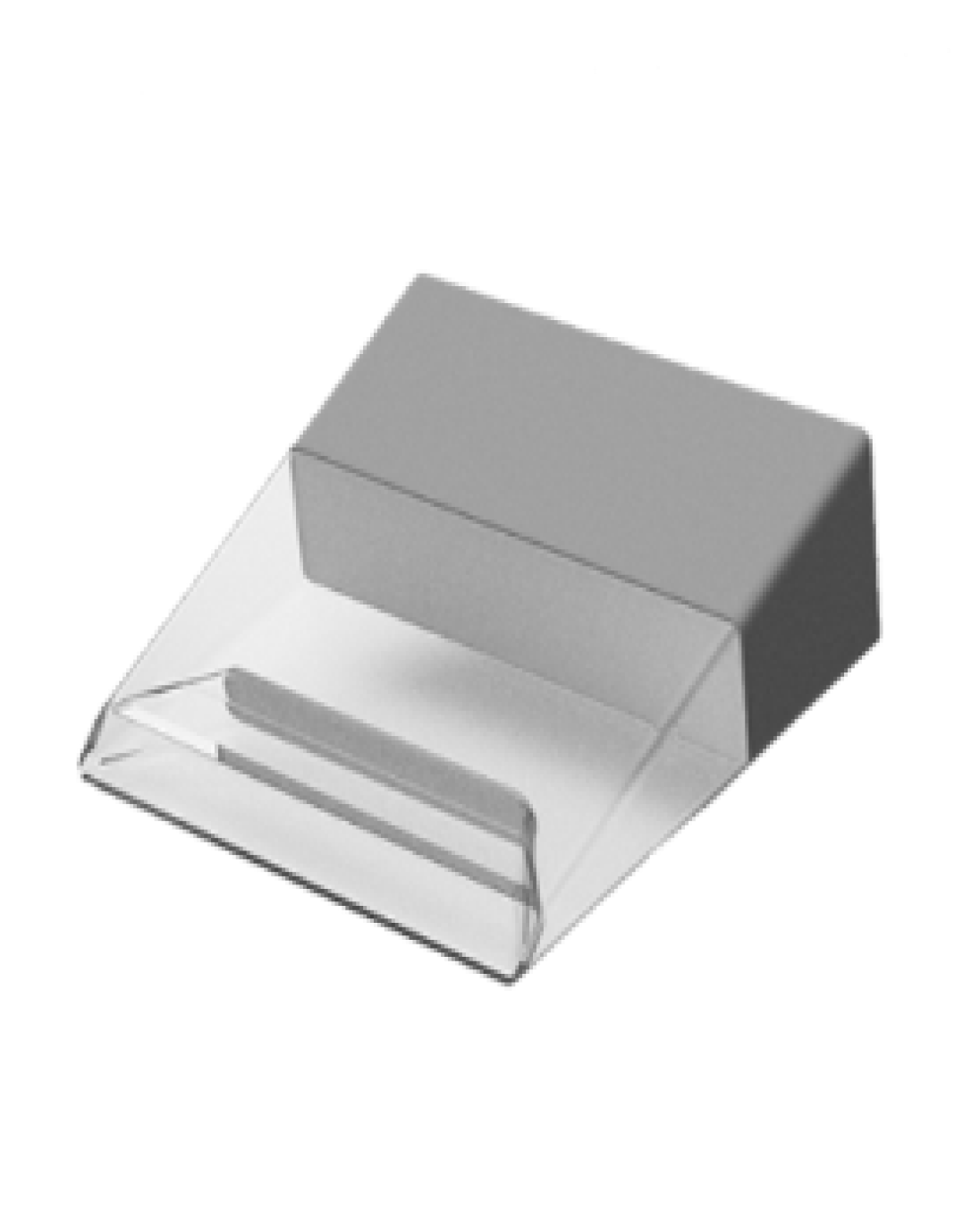
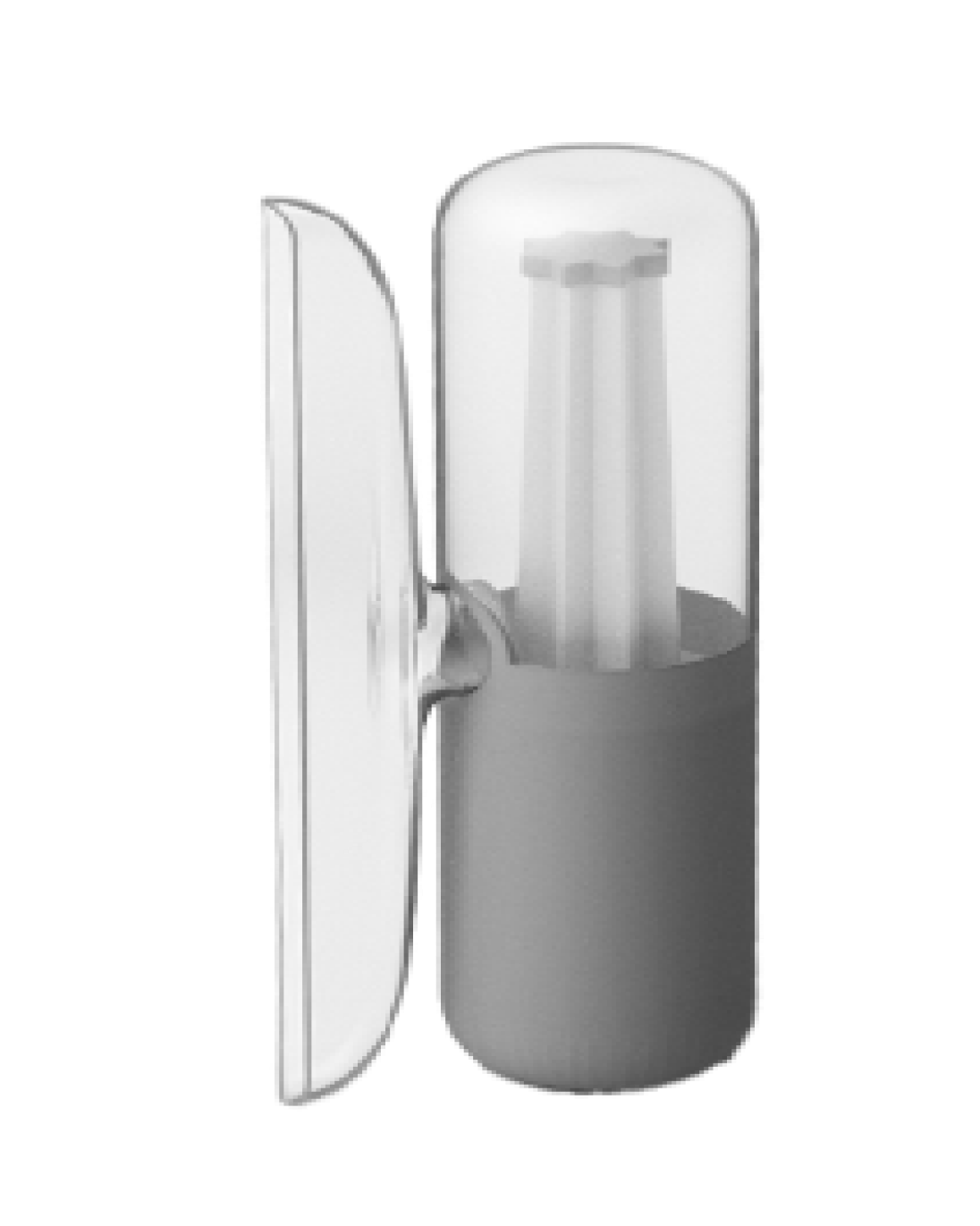
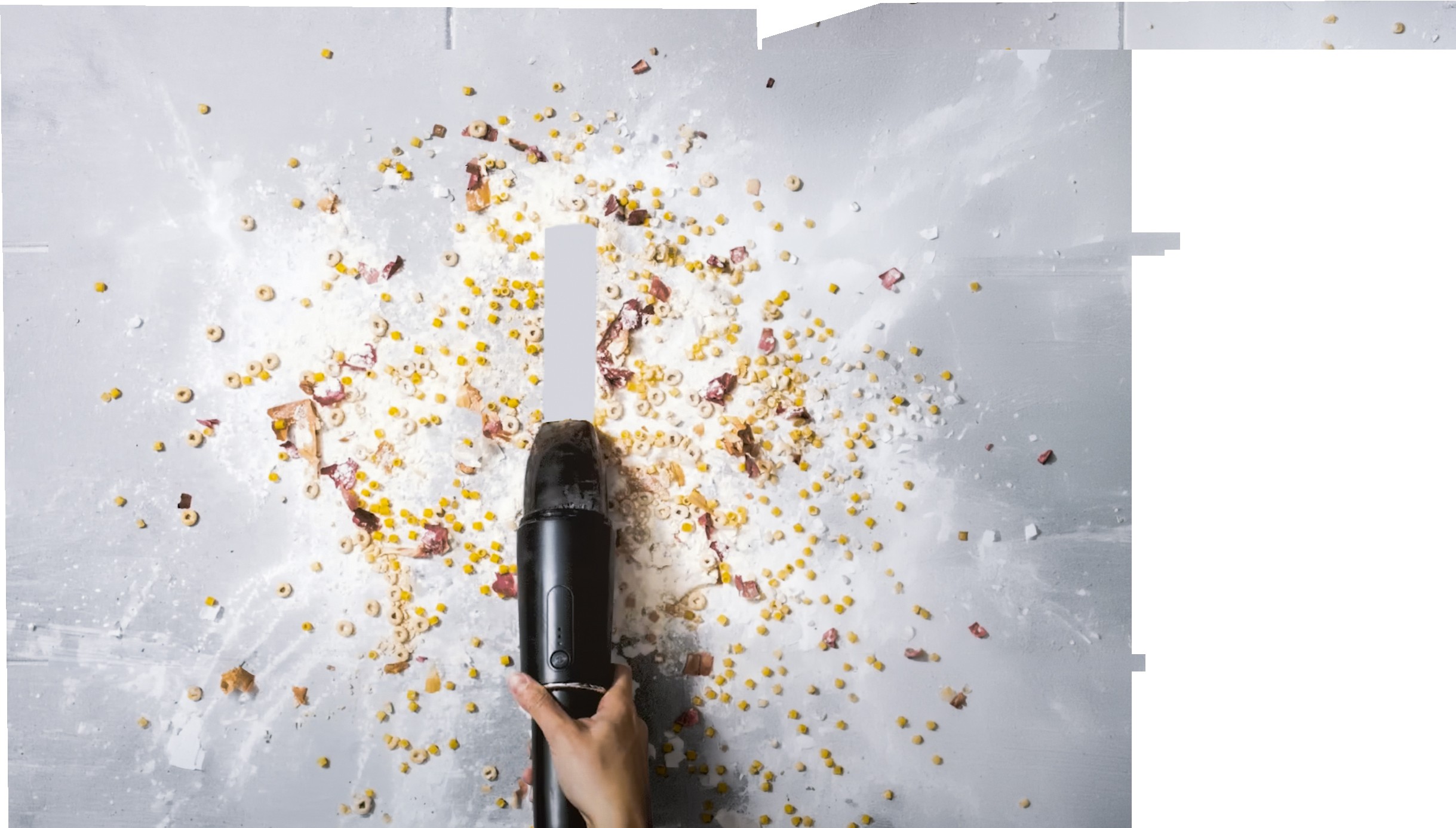
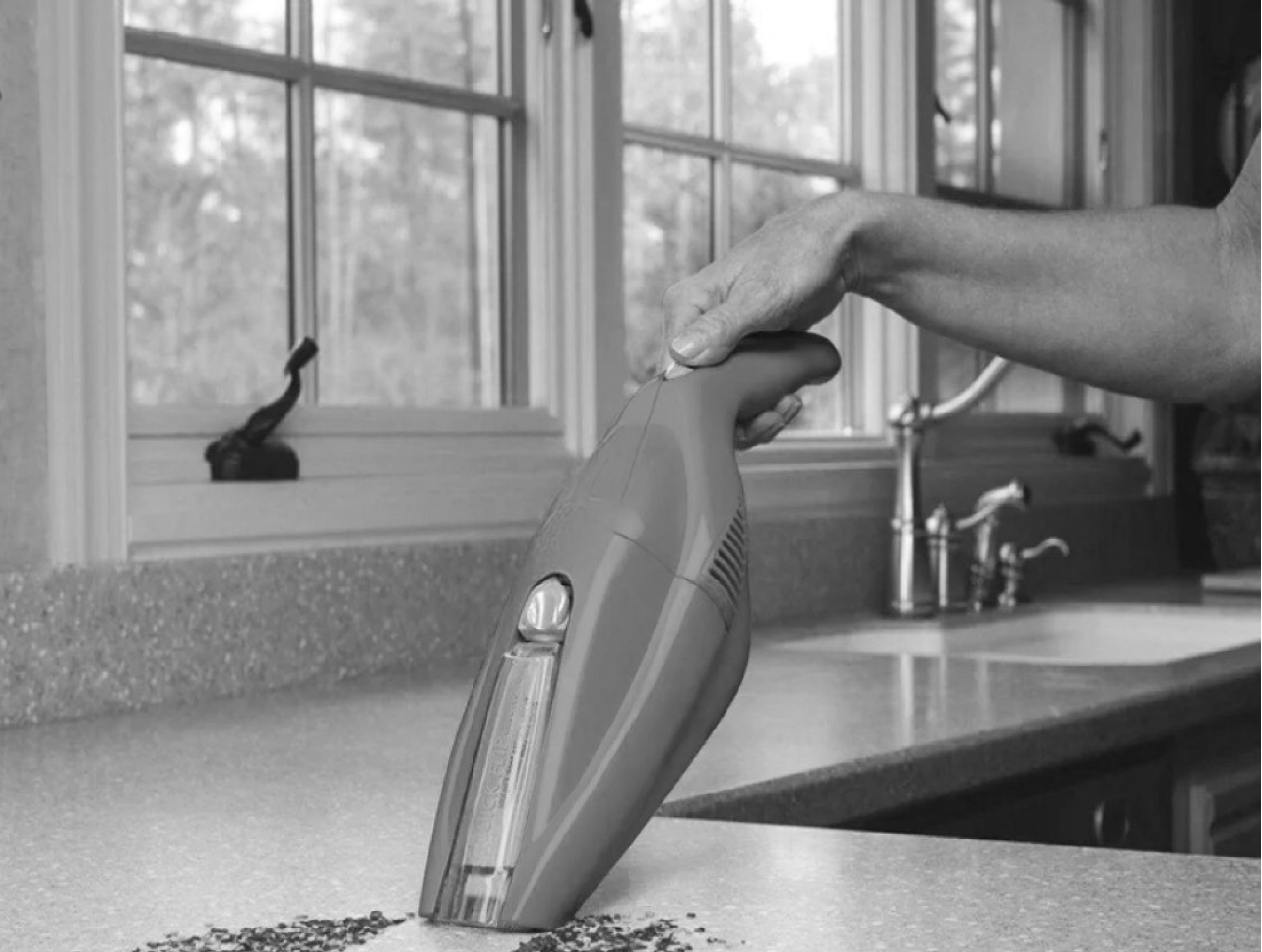
kitchen countertops are wide, but most vacuums have small heads and rely on attachments. SEOL-1 features a head up to 2.5× wider for faster cleaning.

Orange gradient with shades of blue

other products

Blue gradient with shades of orange

SEOL-1

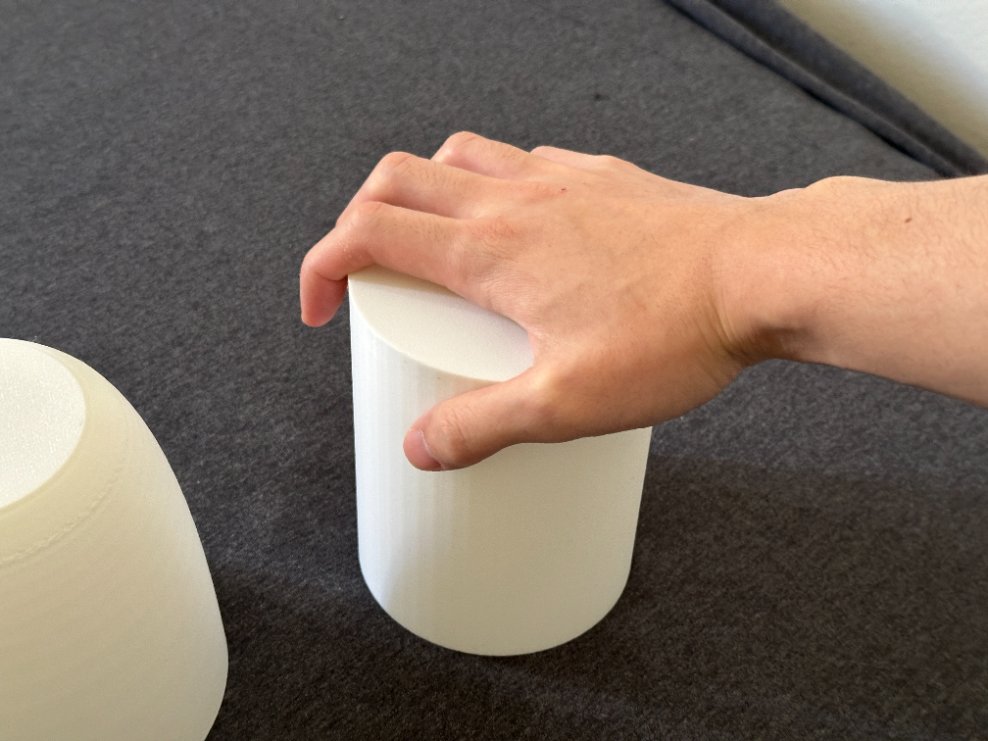
02 grip

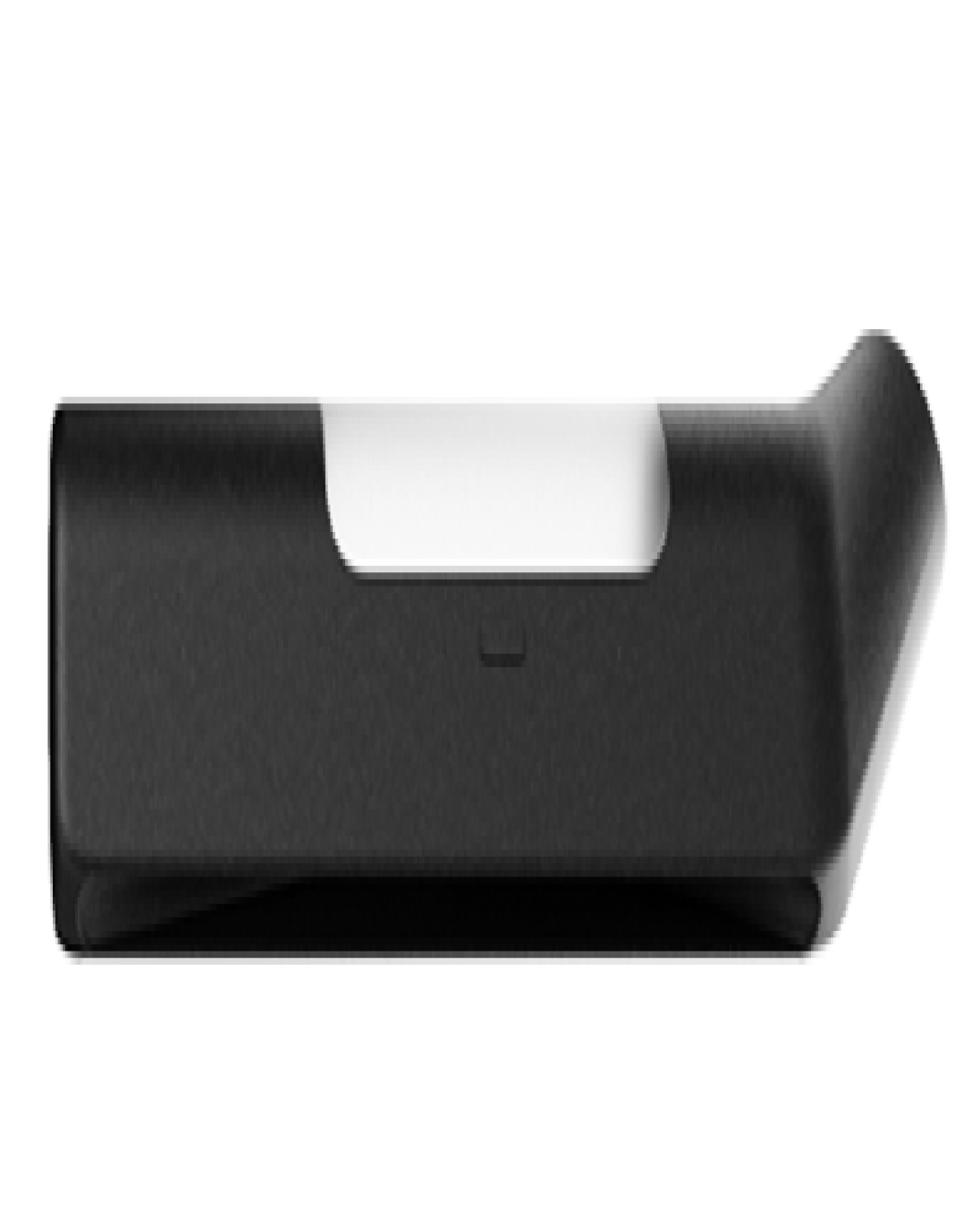
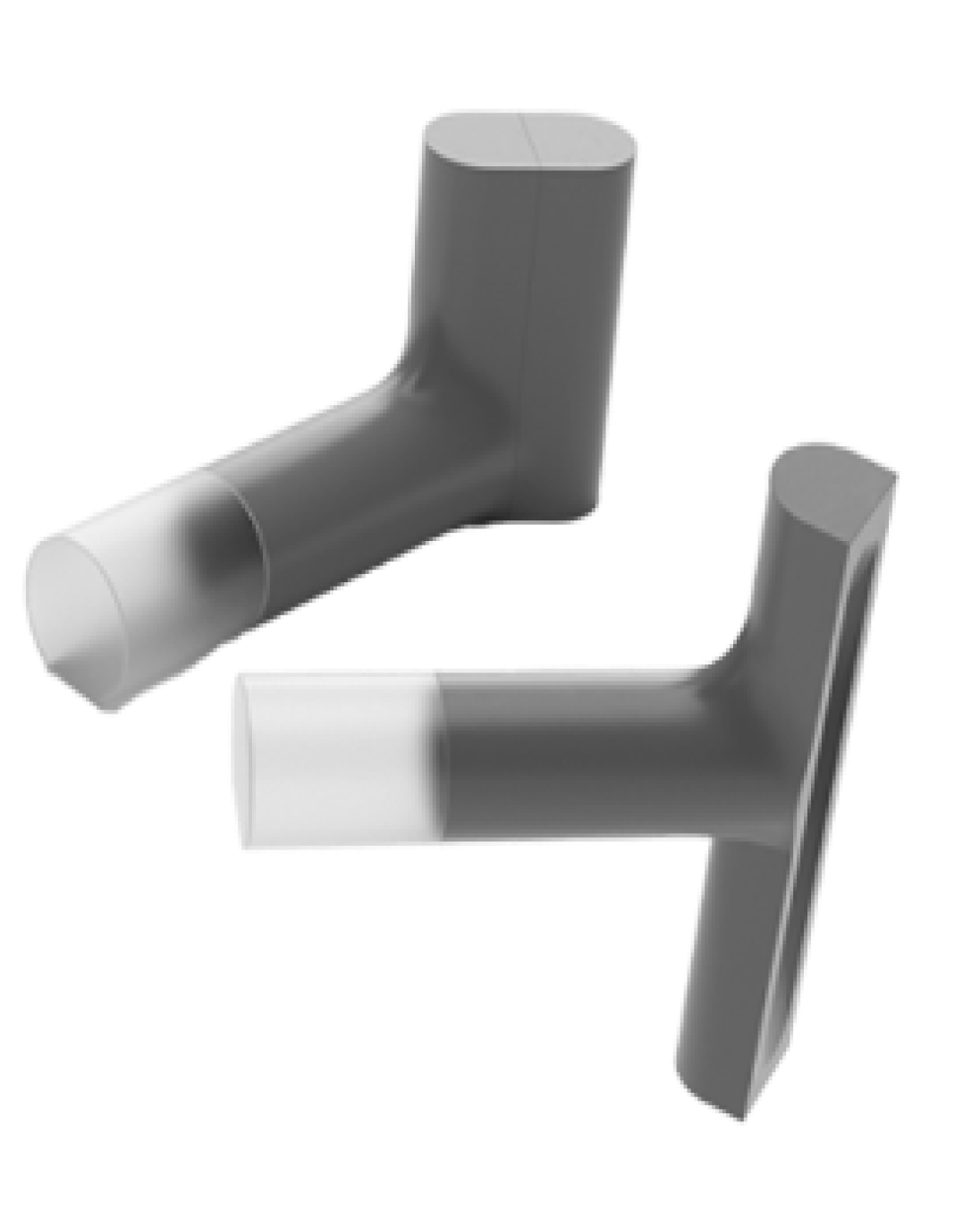
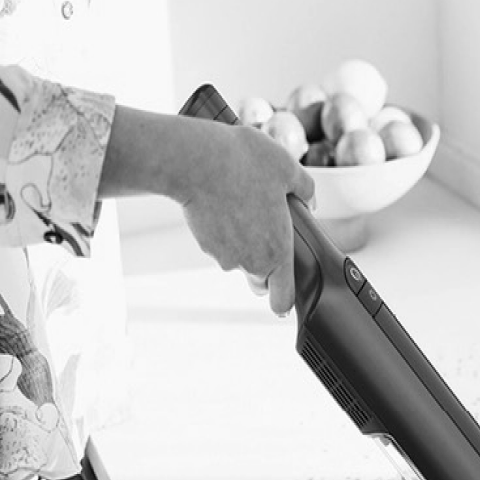
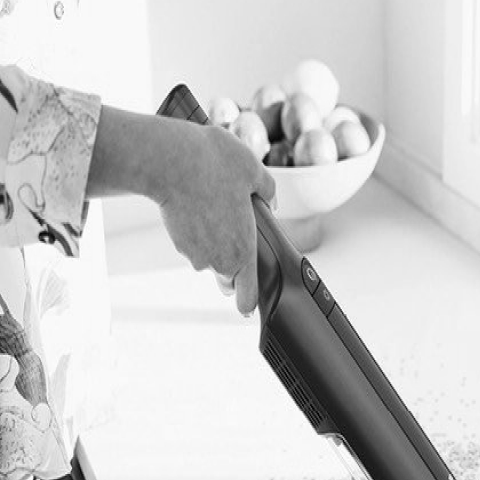
most vacuums aren’t designed for kitchen use. people use car or floor vacuums instead. SEOL-1 uses a grip that replicates wiping gesture.

Image of brand logo incorrectly rotated

04 vent

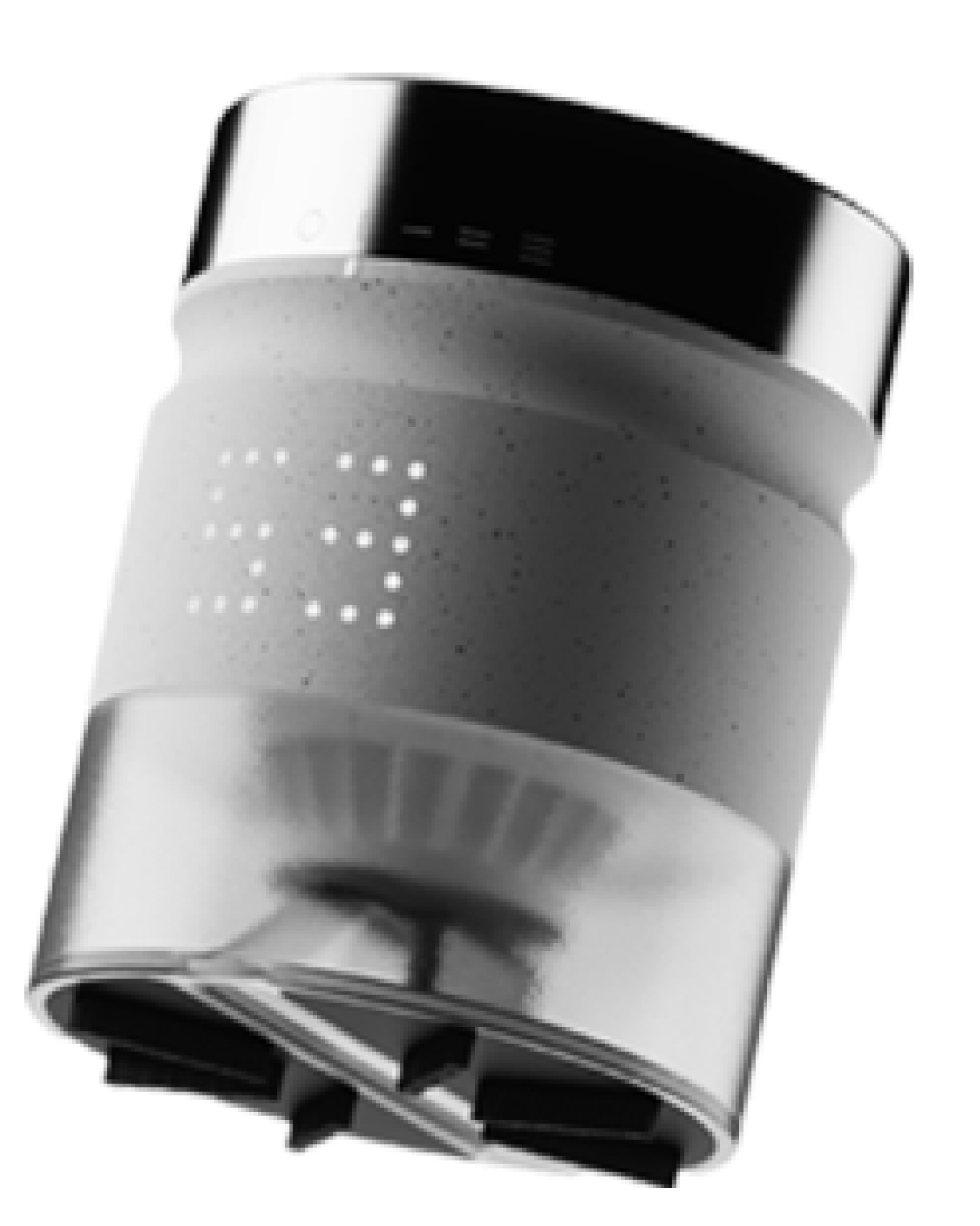
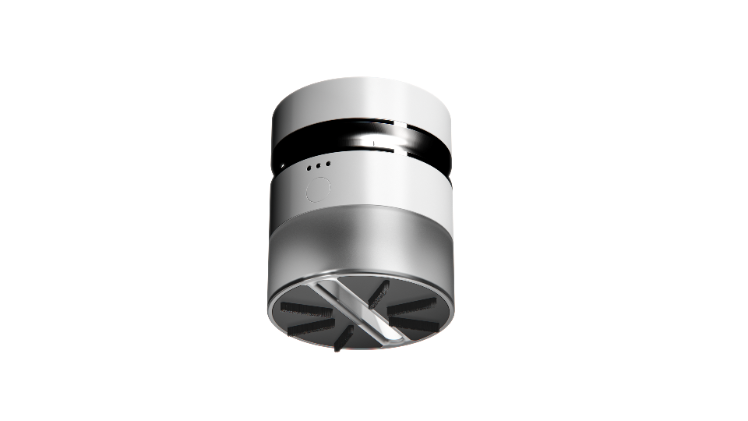
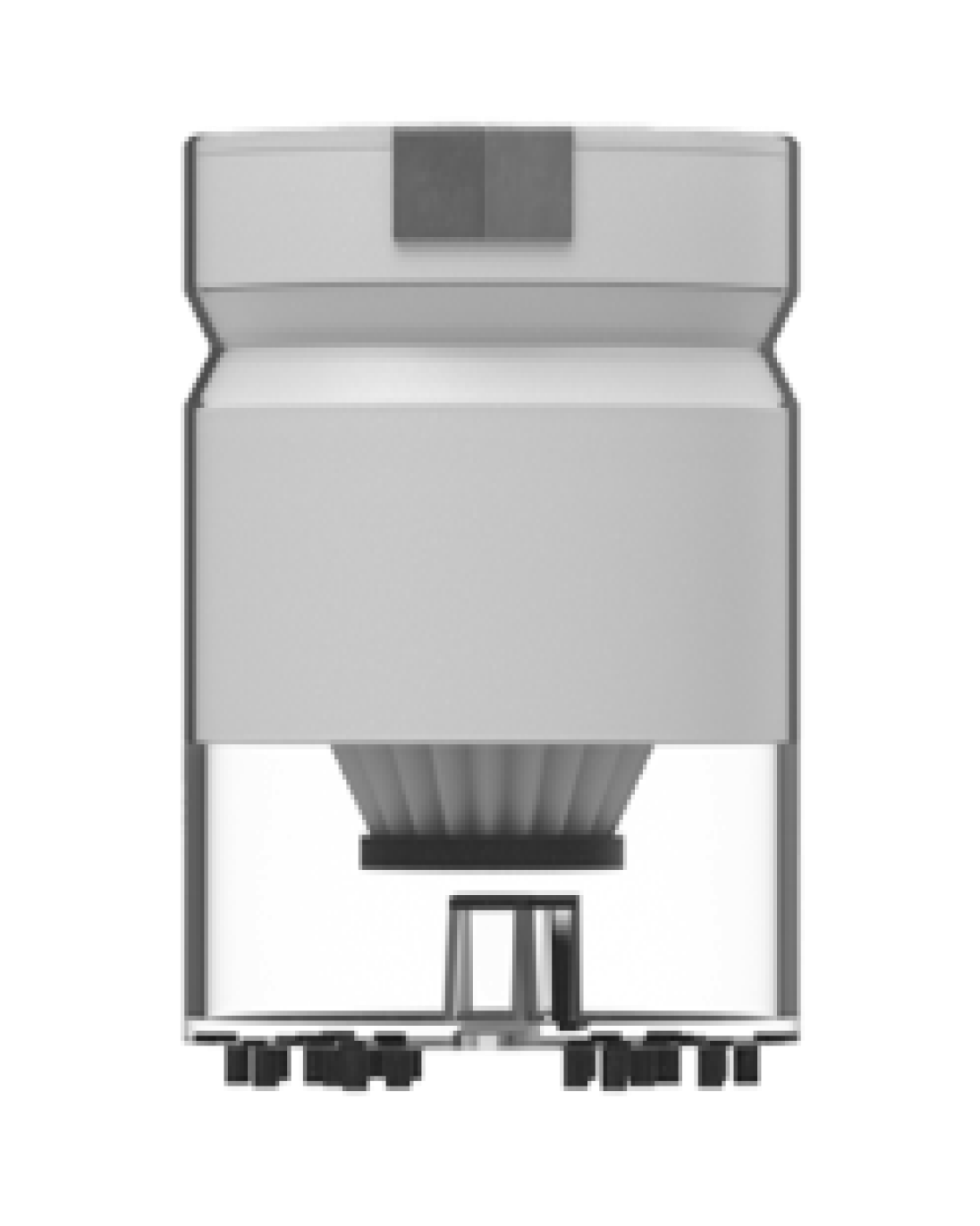
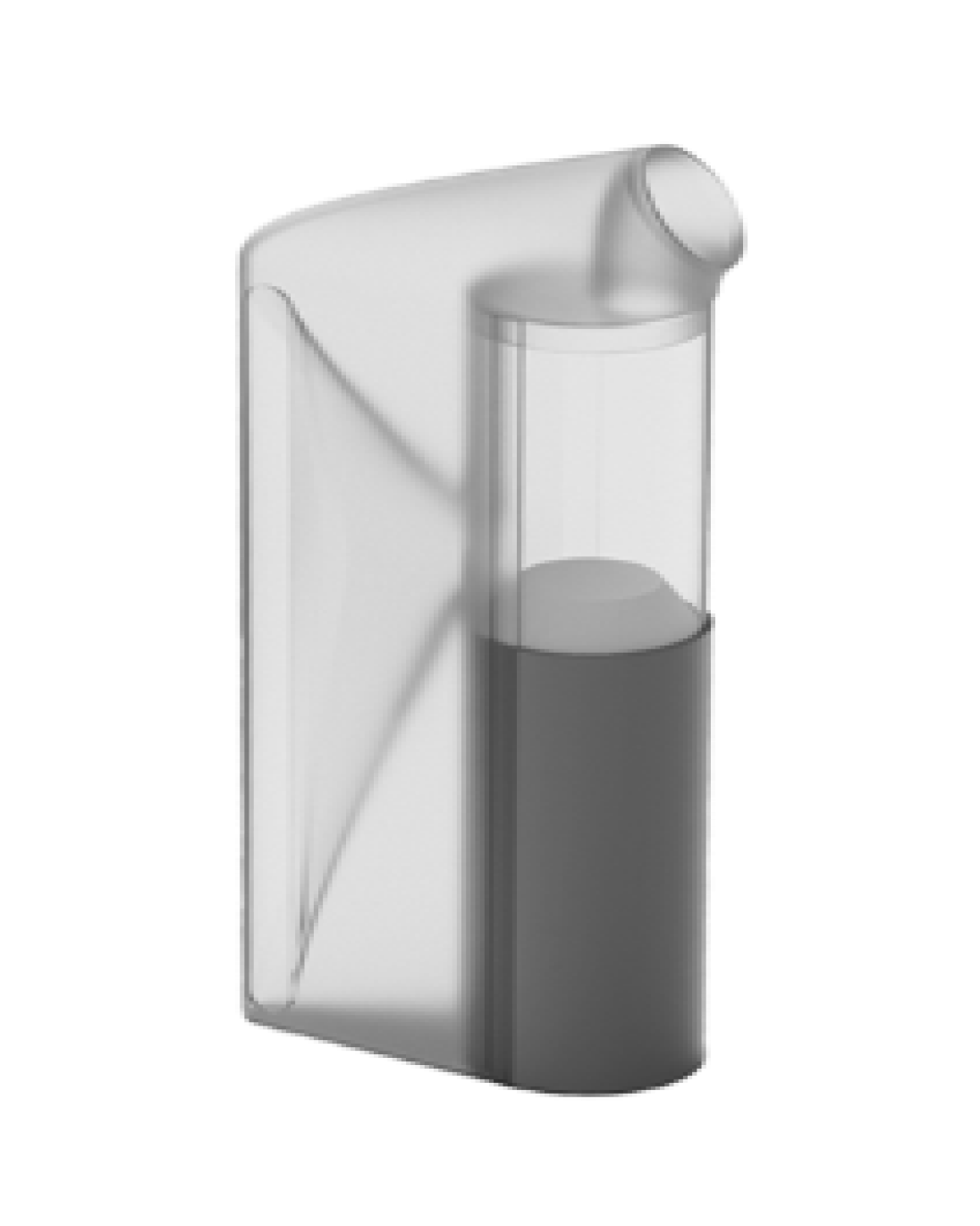
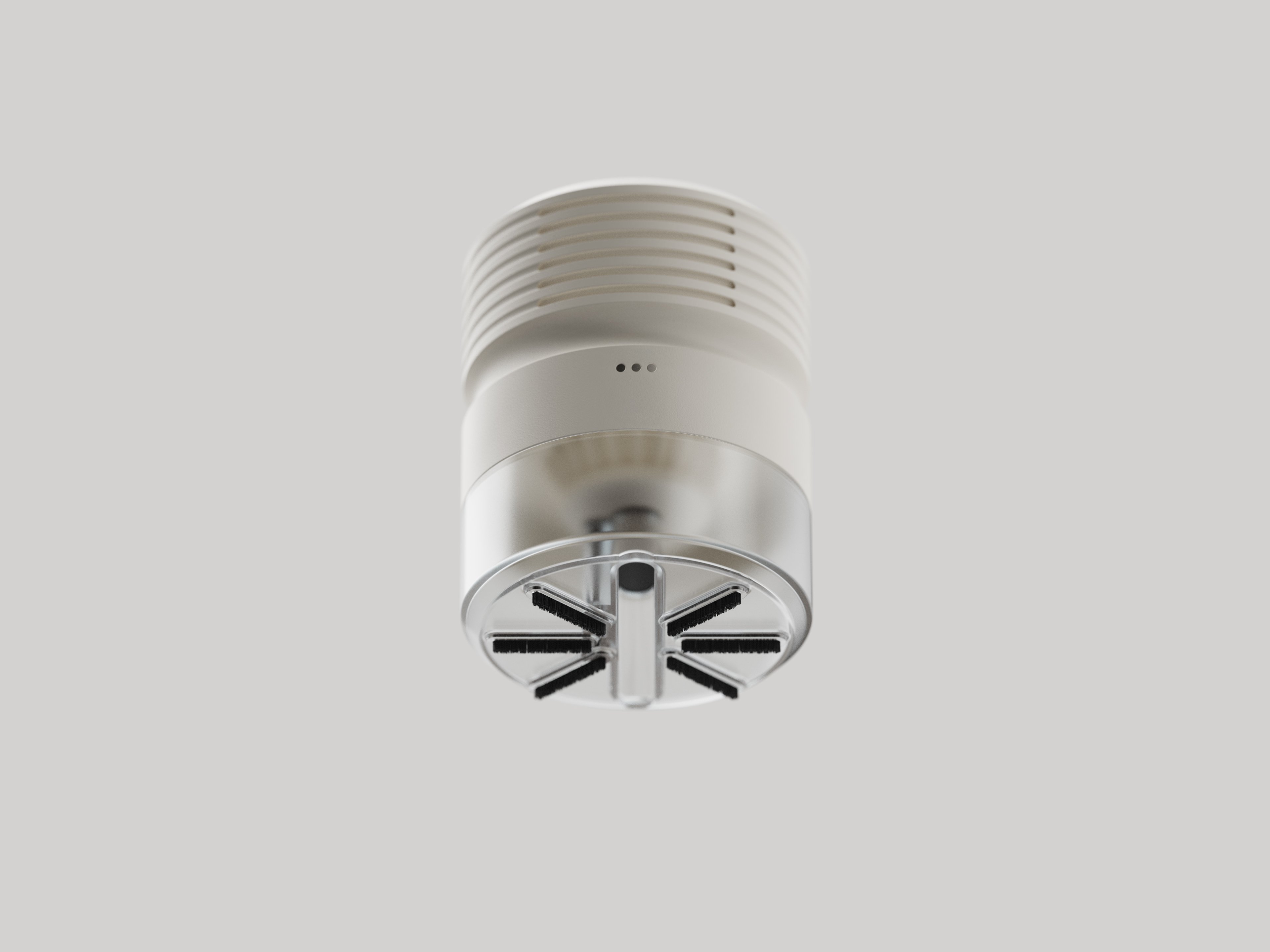
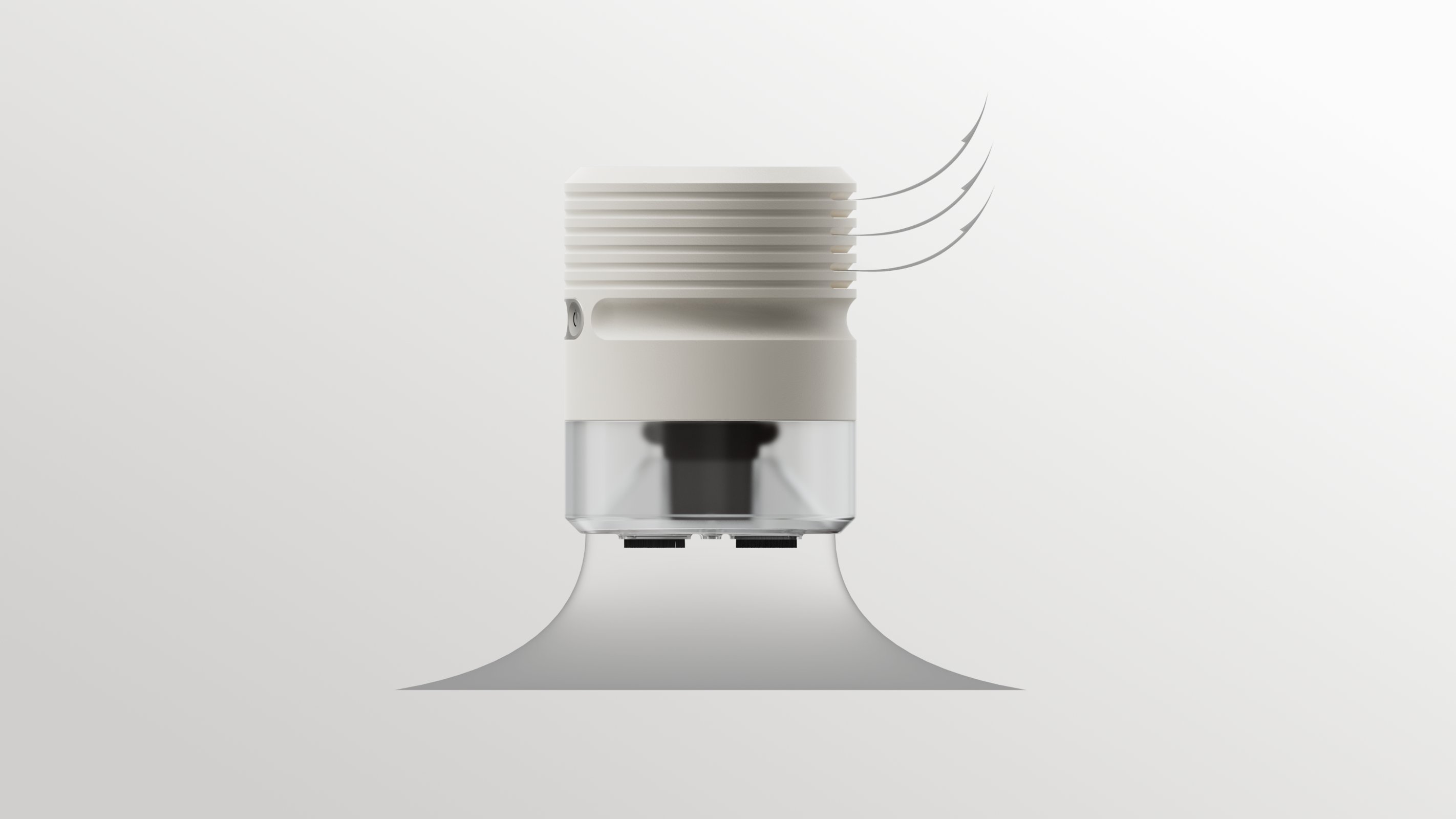
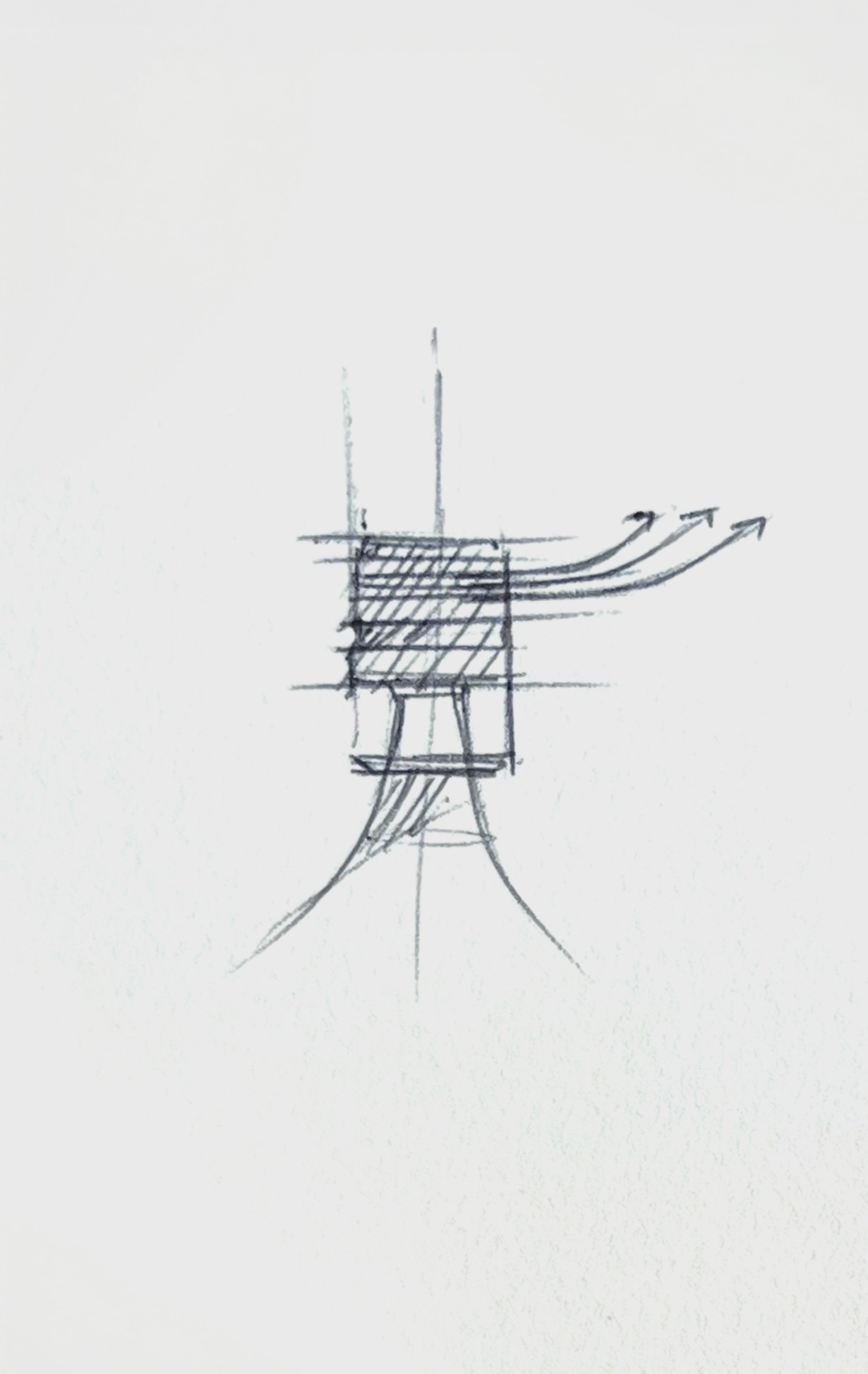
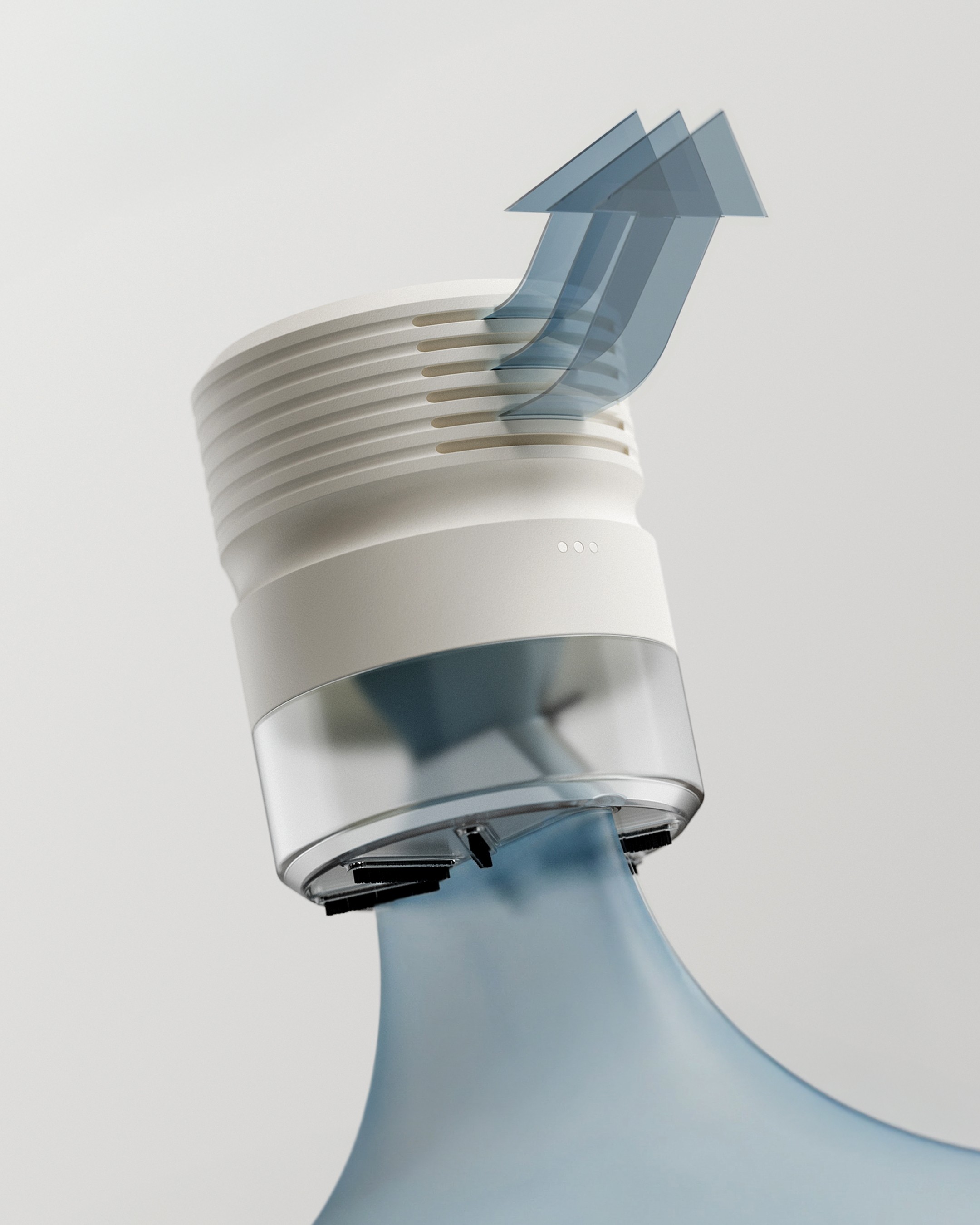
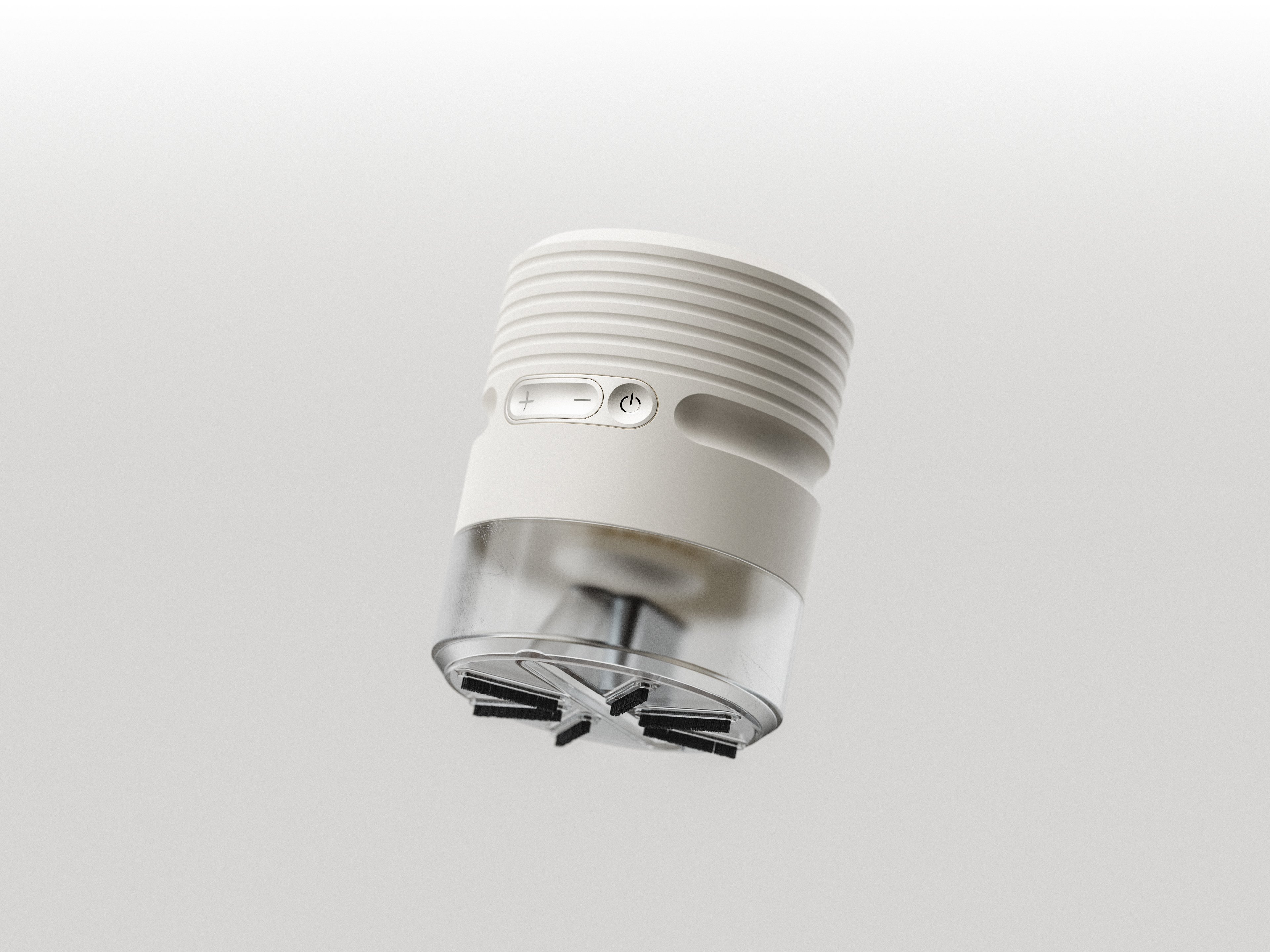
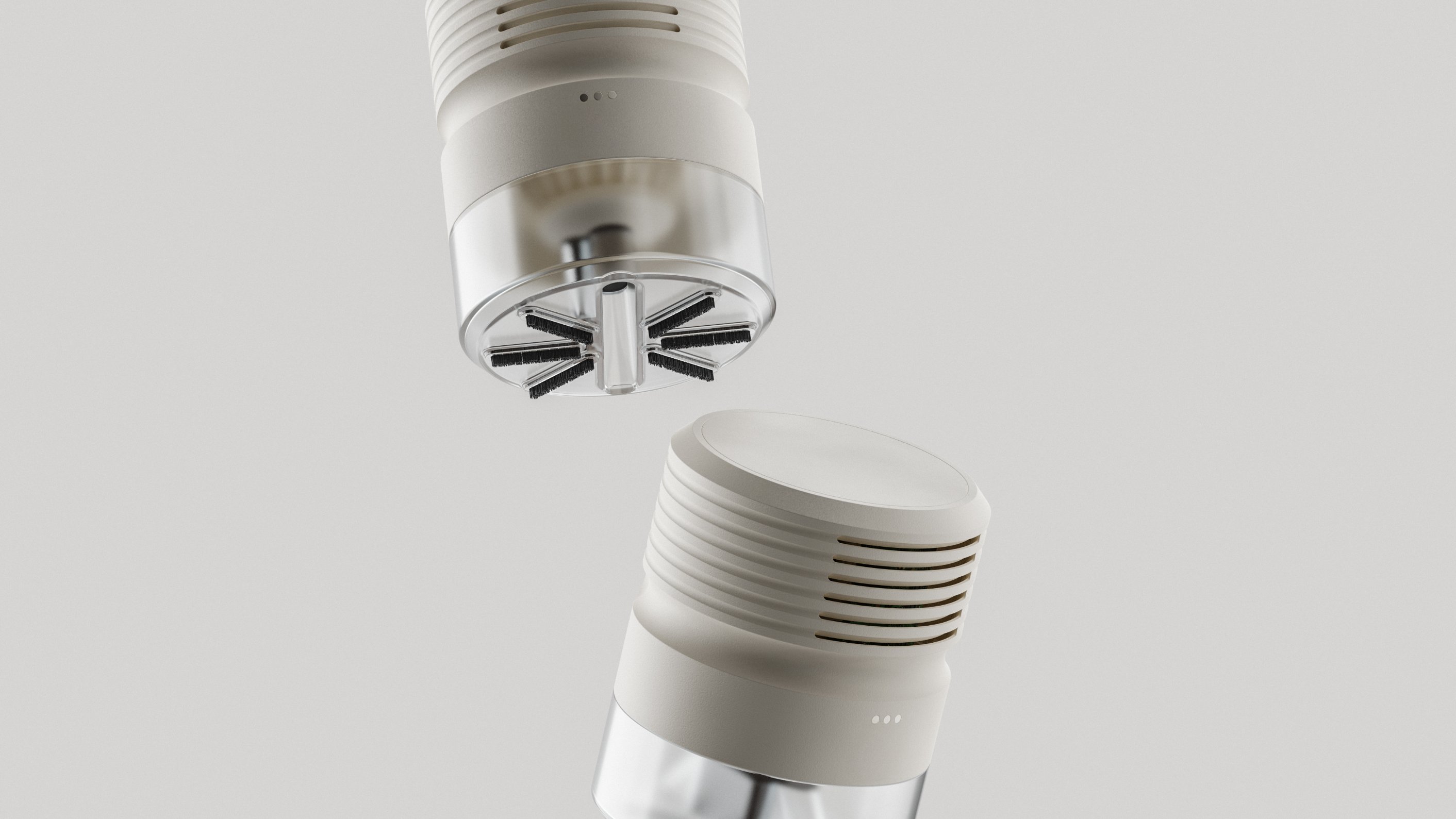
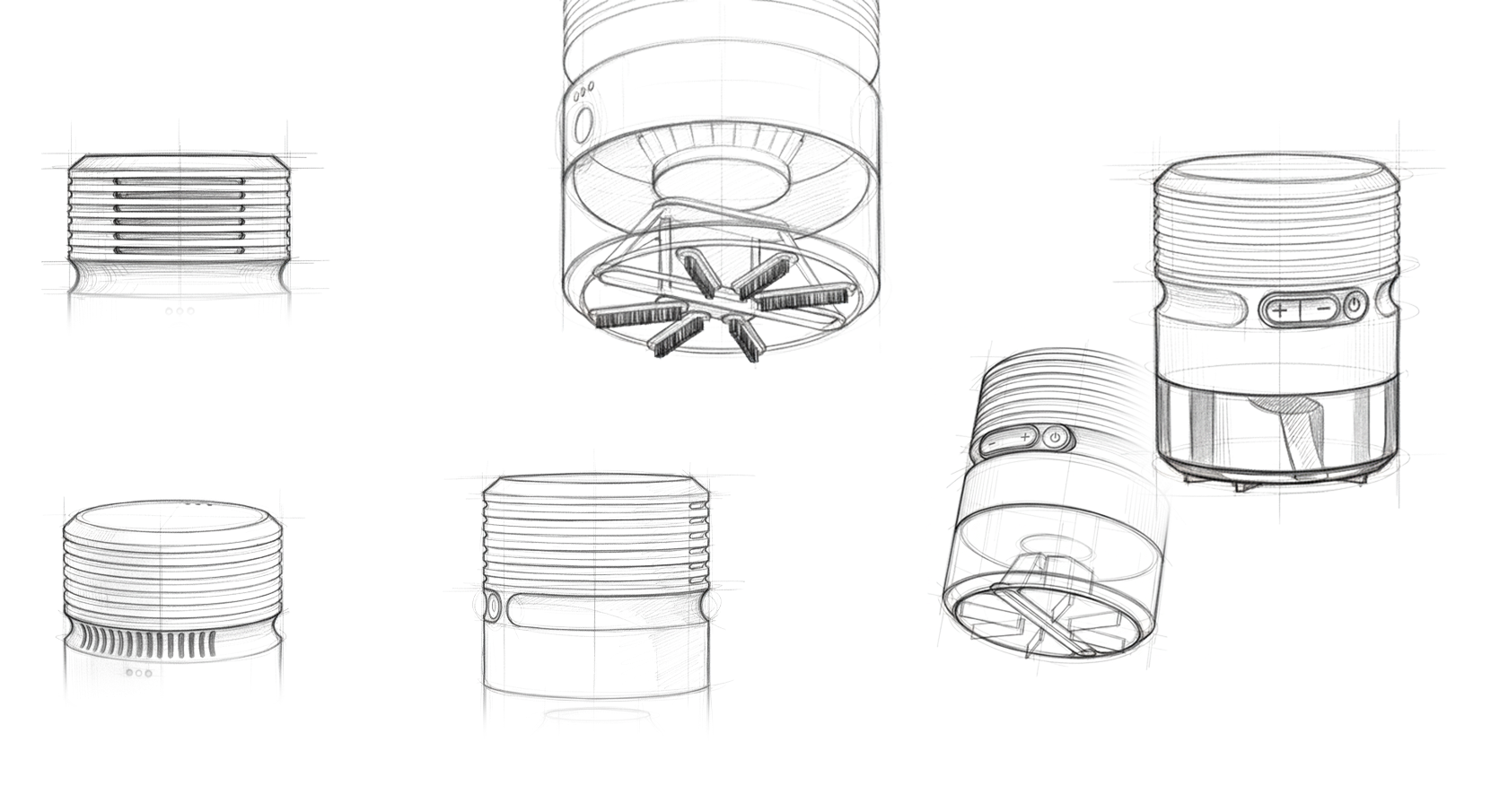
For airflow efficiency, air enters from the bottom and exits through the top, while the vent pattern seamlessly blends into the groove pattern.

03 blend

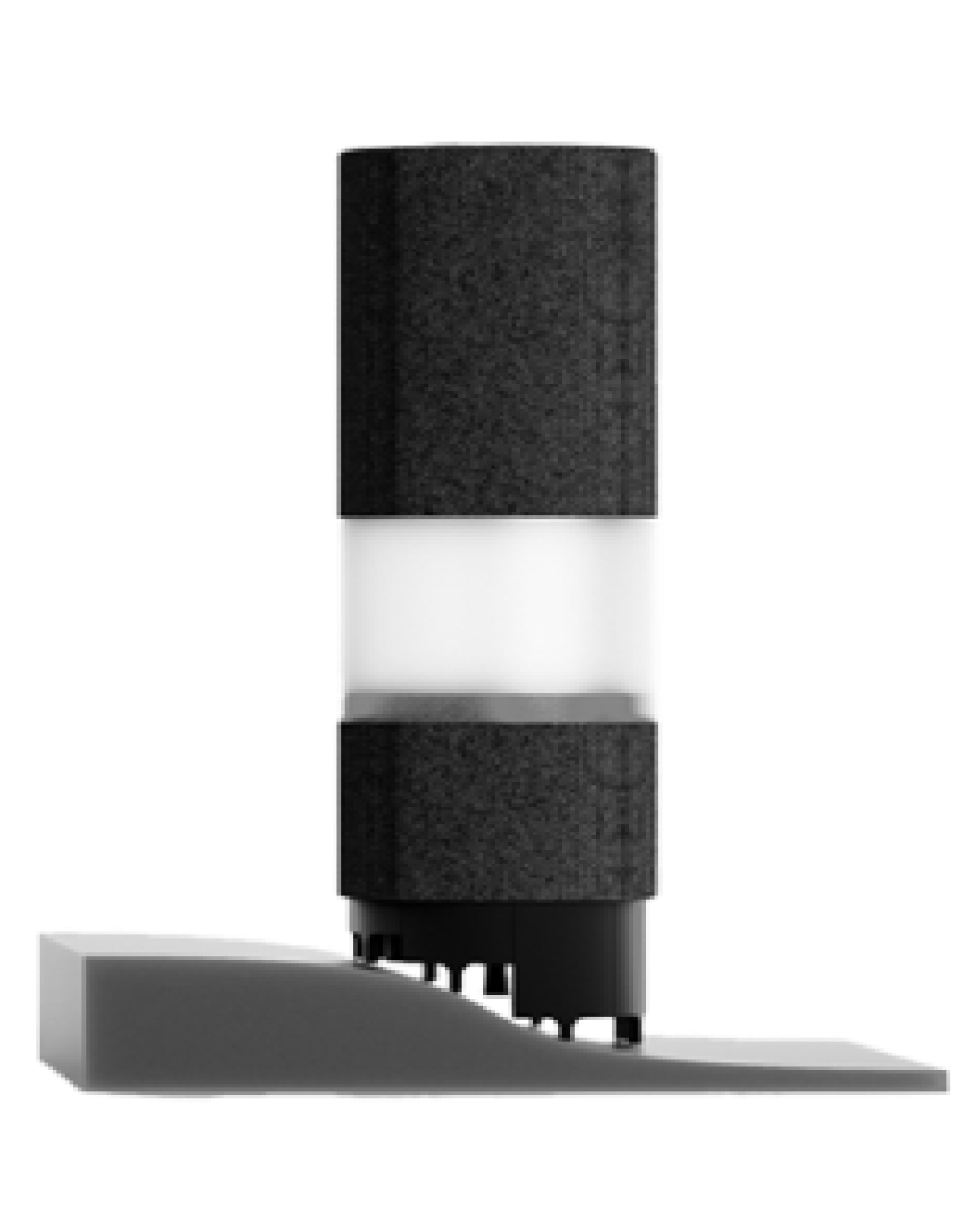
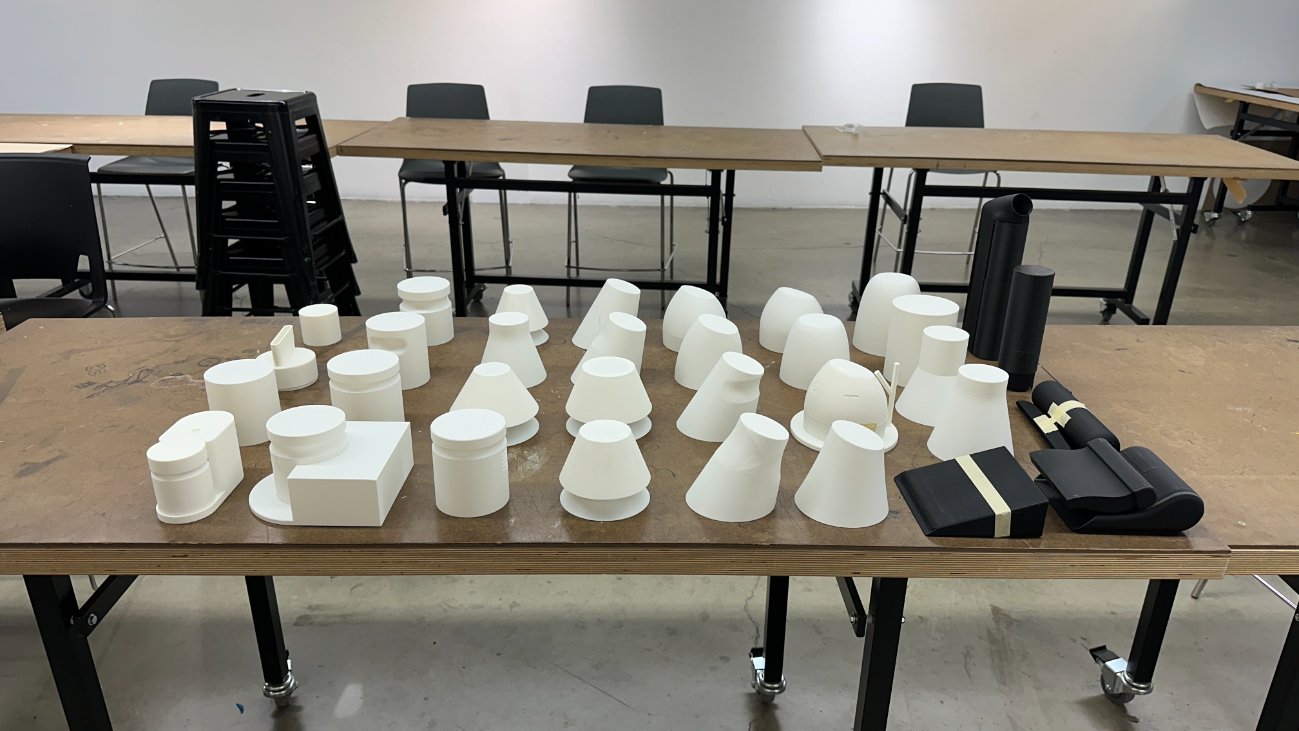
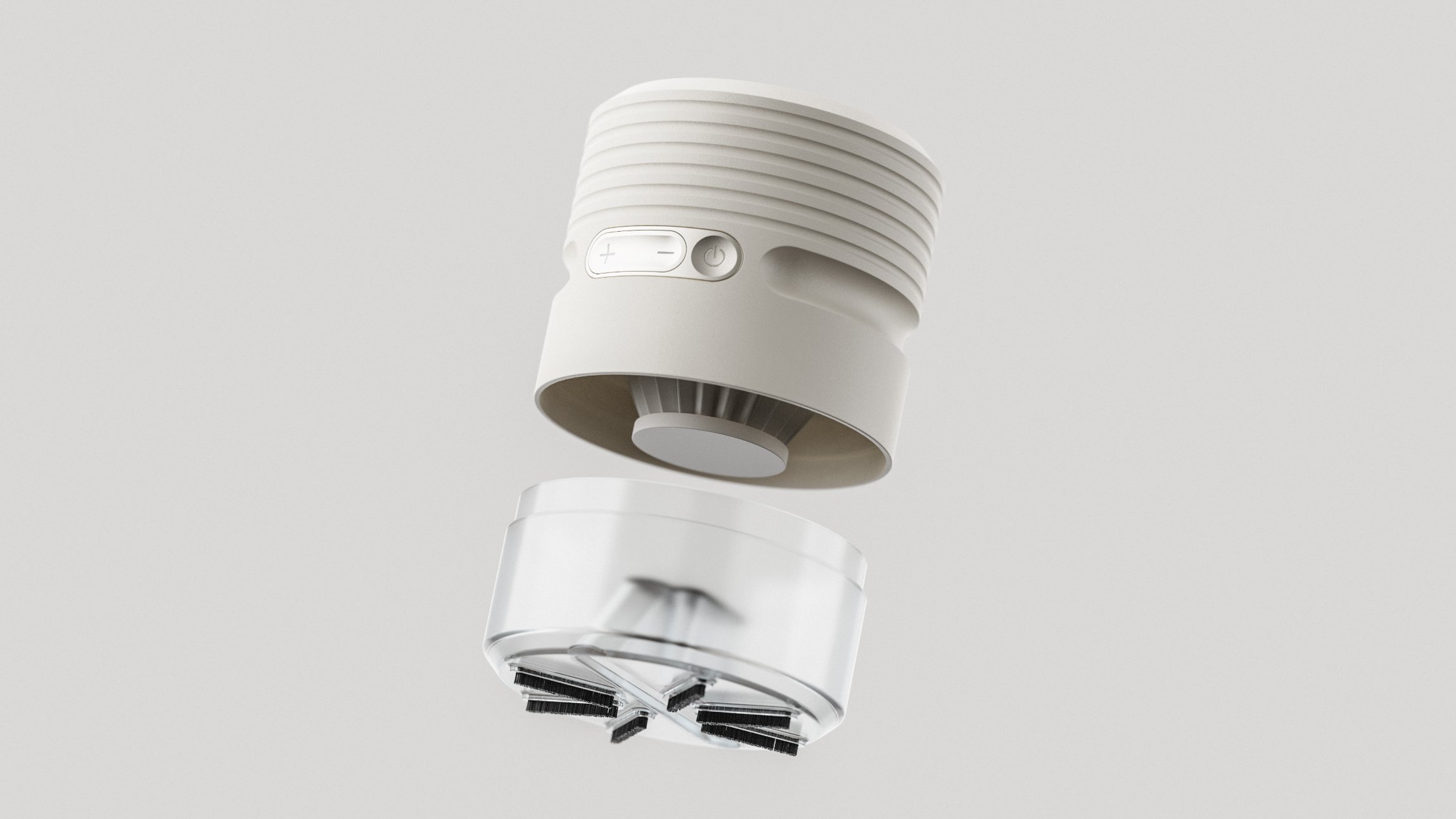
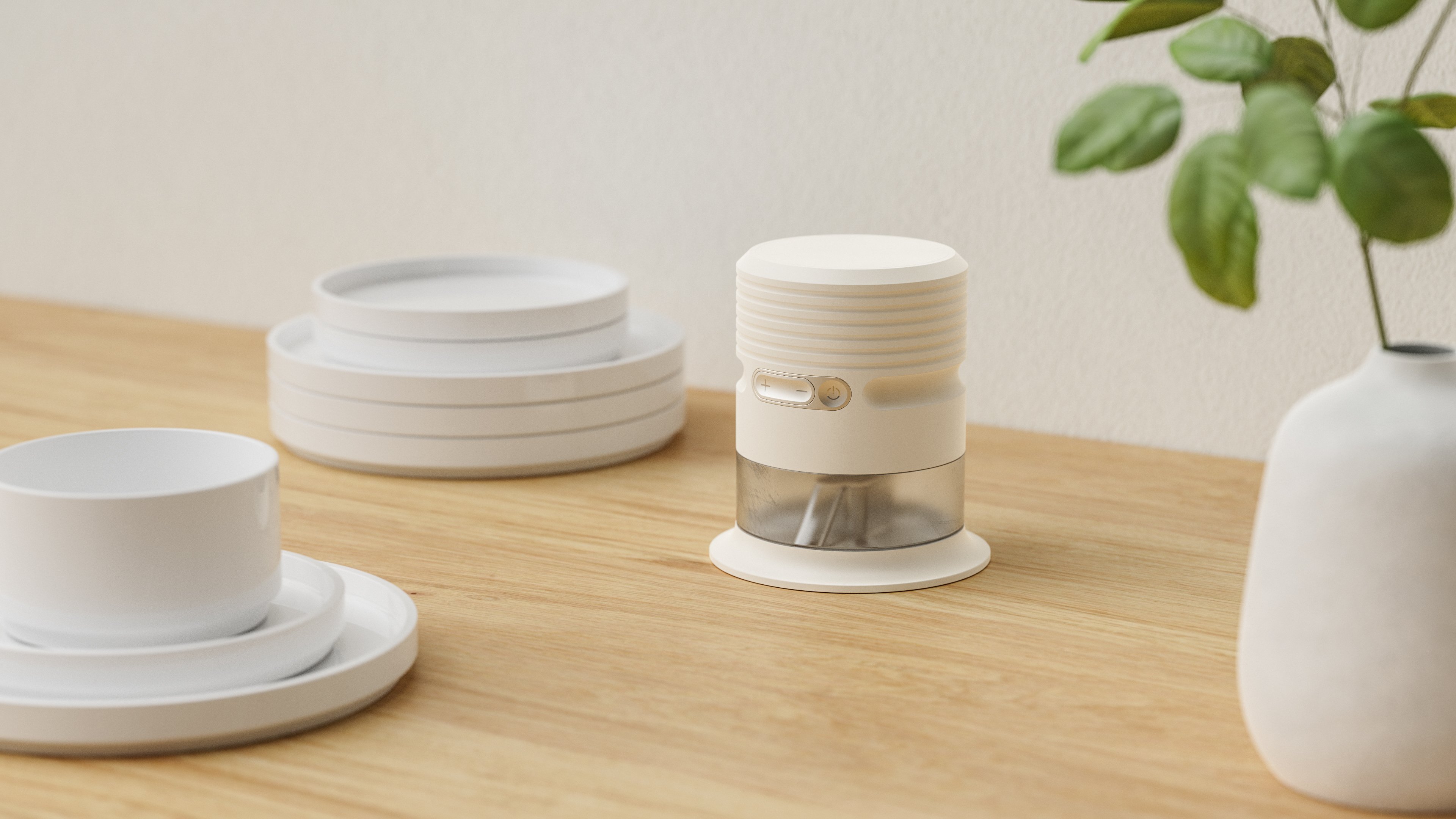
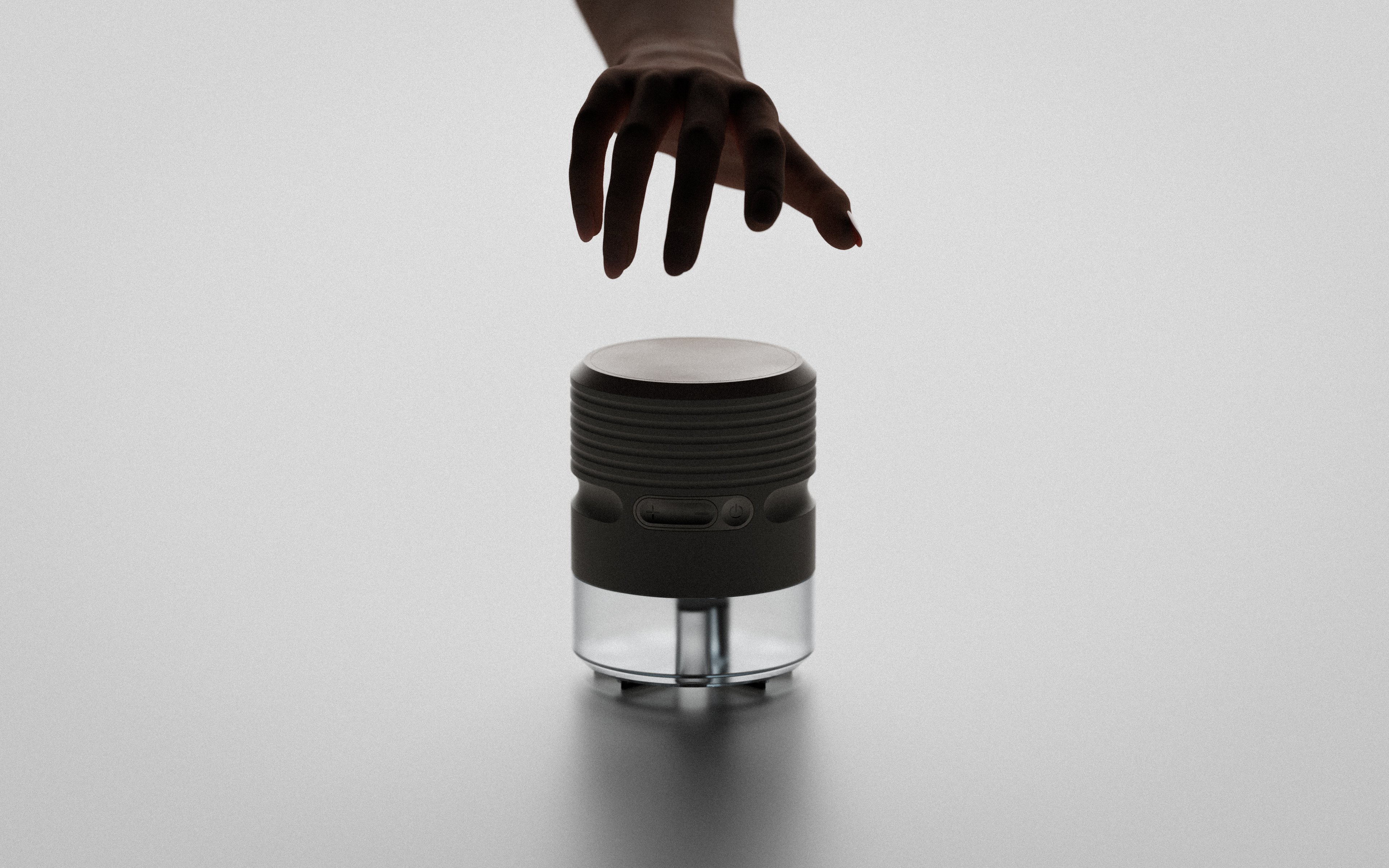
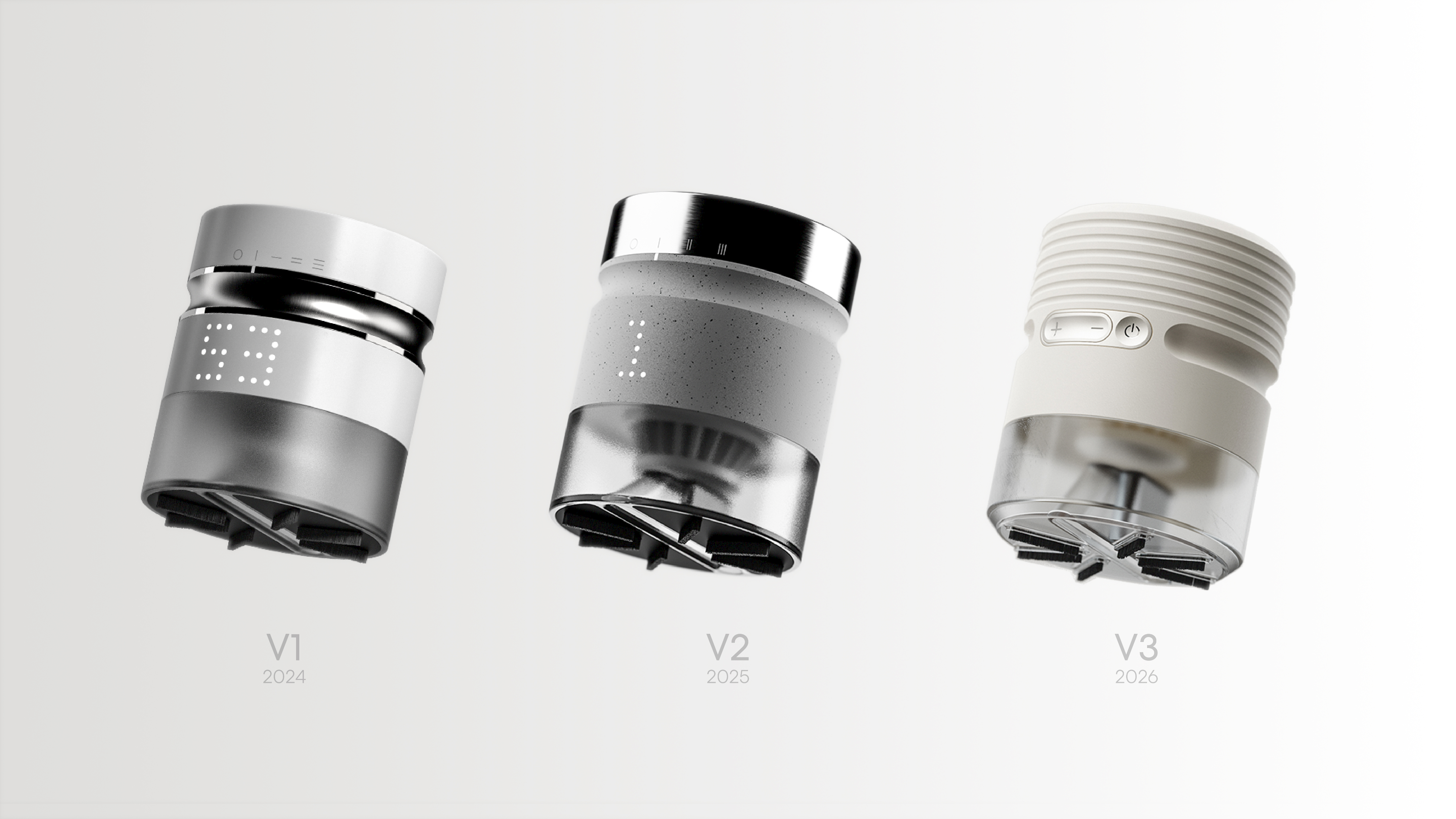
SEOL-1 is designed to seamlessly fit into the kitchen. its form and materials align with existing kitchen products for a cohesive look. the design was refined to focus on functionality, efficiency, and everyday use.

© seung bin bae

all rights reserved

SEOL-1

A kitchen vacuum cleaner that quickly removes fine powders and crumbs from countertops, featuring a wide cleaning head, an easy-grip form, an intuitive button layout, and a design that blends seamlessly into the kitchen environment.

Image of primary brand logo
Logo on colored background

why SEOL-1?

how do you clean powders and crumbs on a countertop?

a quick 10-second rinse uses 0.37 gallons, adding up to 1,350 gallons a year.

often leads to extra water use.

fine powders aren’t easily removed by wiping alone.

Image of primary brand logo

01 wide area

kitchen countertops are wide, but most vacuums have small heads and rely on attachments. SEOL-1 features a head up to 2.5× wider for faster cleaning.

other products

SEOL-1
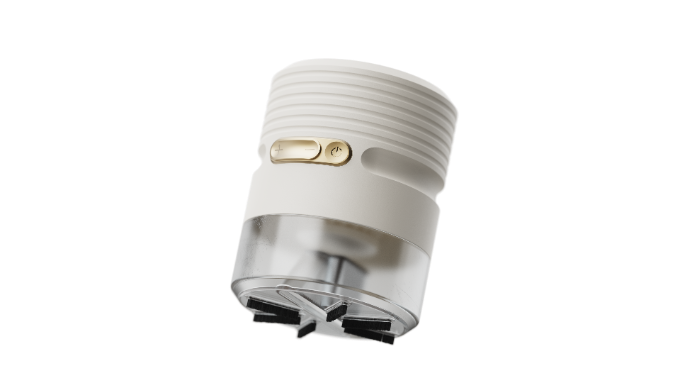
Image of primary brand logo

02 grip

most vacuums aren’t designed for kitchen use. people use car or floor vacuums instead. SEOL-1 uses a grip that replicates wiping gesture.
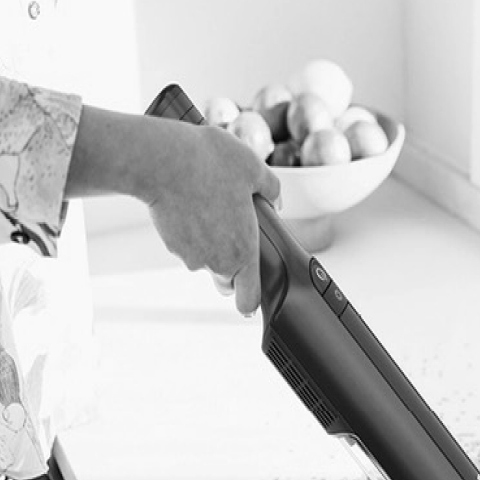
Image of brand logo incorrectly rotated

03 blend

SEOL-1 is designed to seamlessly fit into the kitchen. its form and materials align with existing kitchen products for a cohesive look. the design was refined to focus on functionality, efficiency, and everyday use.

04 vent

For airflow efficiency, air enters from the bottom and exits through the top, while the vent pattern seamlessly blends into the groove pattern.

© seung bin bae

all rights reserved

SEOL-1

A kitchen vacuum cleaner that quickly removes fine powders and crumbs from countertops, featuring a wide cleaning head, an easy-grip form, an intuitive button layout, and a design that blends seamlessly into the kitchen environment.

Image of primary brand logo
Logo on colored background

why SEOL-1?

how do you clean powders and crumbs on a countertop?

a quick 10-second rinse uses 0.37 gallons, adding up to 1,350 gallons a year.

often leads to extra water use.

fine powders aren’t easily removed by wiping alone.

Image of primary brand logo

01 wide area

kitchen countertops are wide, but most vacuums have small heads and rely on attachments. SEOL-1 features a head up to 2.5× wider for faster cleaning.

Orange gradient with shades of blue

other products

Blue gradient with shades of orange

SEOL-1

02 grip

most vacuums aren’t designed for kitchen use. people use car or floor vacuums instead. SEOL-1 uses a grip that replicates wiping gesture.
Orange gradient with shades of blue
Blue gradient with shades of orange
Image of brand logo incorrectly rotated

03 blend

SEOL-1 is designed to seamlessly fit into the kitchen. its form and materials align with existing kitchen products for a cohesive look. the design was refined to focus on functionality, efficiency, and everyday use.

04 vent

For airflow efficiency, air enters from the bottom and exits through the top, while the vent pattern seamlessly blends into the groove pattern.